REVIEW · TOKYO
Tokyo: Japanese Home-style Cooking Class with Meal
Book on GetYourGuide →Operated by Patia's Japanese Cooking Class · Bookable on GetYourGuide
Cooking at home is how Tokyo talks. I love learning dashi fundamentals and saikyo-yaki flavors with an English instructor, because it turns what you see in restaurants into something you can actually cook yourself. It’s practical Japanese food education, not just a food tour with photos.
Hands-on cooking plus a sit-down tasting means you eat what you make, in the same flow as a casual family meal. I also like that the class focuses on seasoning and presentation, so you’re not memorizing steps—you’re learning how Japanese home cooks think.
One consideration: because it’s a teaching studio setup, the experience can feel recipe-led. If you want extra chef-level tips, variations, or top-notch tools, you may find the instruction less technical than you’d hope.
In This Review
- Key highlights worth your time
- The 150-minute arc: cooking first, eating right after
- What you’ll cook: dashi, saikyo-yaki fish, rice ball, miso soup
- Why the dashi lesson is the real foundation
- Saikyo-yaki style: the miso flavor trick you can repeat
- A practical note on expectations
- Dashimaki tamago: rolled omelet technique, Japanese-style
- Rice ball and miso soup: balance you can taste immediately
- The 13:00 tasting: you eat your work with drinks
- Why tasting right away helps your future cooking
- Who teaches, and what that means for your experience
- Price and value: $90 for cooking, ingredients, and a full meal
- Location near Shinjuku, Chiyoda, or Minato: plan to confirm your exact studio
- What’s included, what’s not, and what to bring in your head
- Who this Tokyo home-cooking class suits (and who should skip it)
- Should you book it? My straight answer
- FAQ
- How long is the Japanese home-style cooking class in Tokyo?
- What recipes or dishes are included?
- Is the class taught in English?
- What’s included in the price?
- What’s not included?
- Where do I meet the instructor?
- Is this class suitable for vegans or very young children?
- Are there rules during the class?
Key highlights worth your time
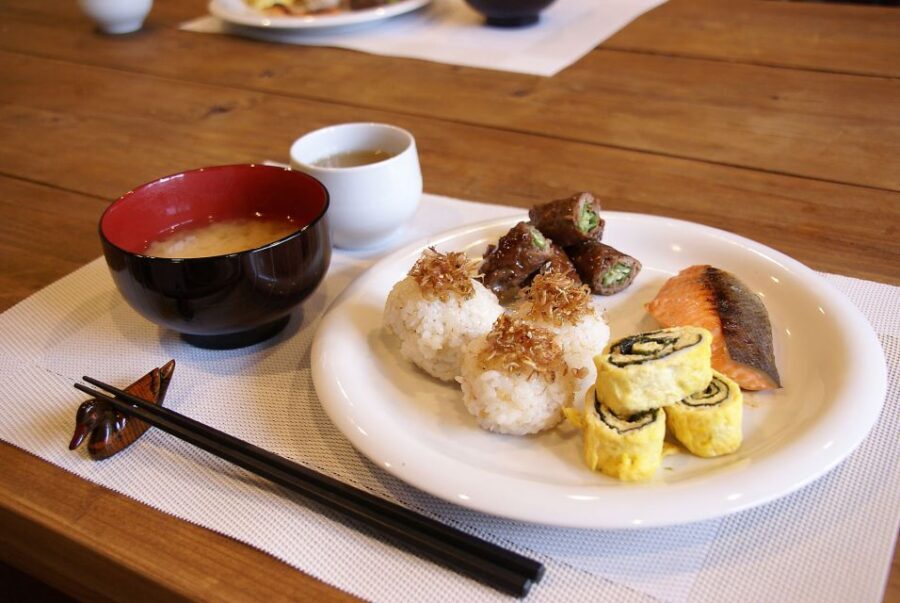
- Saikyo-yaki-style grilled fish: Learn the miso-marinated flavor idea behind this classic dish
- Dashimaki tamago rolled omelet: Pick up how Japanese omelet texture starts with the base method
- Dashi stock building: Get the “why” behind Japan’s flavor foundation
- Nutritional balance lessons: Learn how seasoning and portion sense work together
- A 13:00 tasting with drinks: You finish by eating everything you cooked, not just sampling
The 150-minute arc: cooking first, eating right after
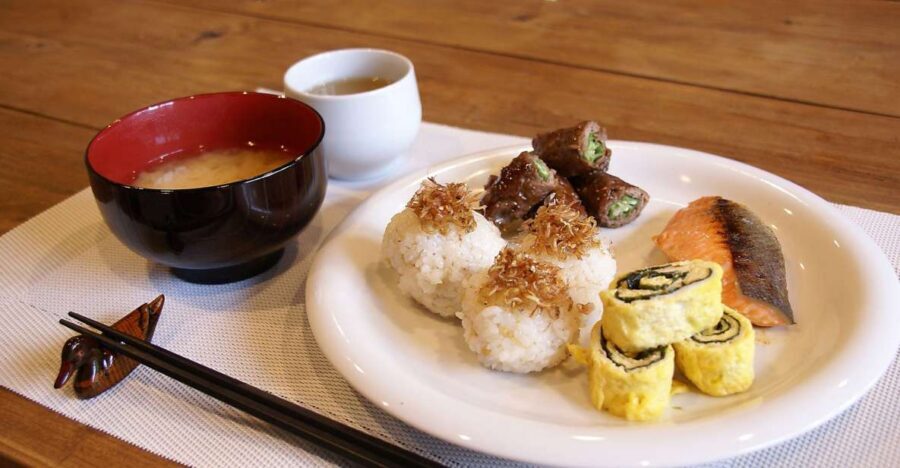
This class is built around a simple rhythm: cook for about 1.5 hours, then sit down for a tasting period right after. The schedule is clearly set—11:00–13:00 cooking, followed by 13:00–13:30 tasting—so you get that satisfying feeling of momentum. You’re not waiting around, and you’re not rushing through the meal.
That structure matters more than it sounds. Japanese home-style cooking is all about timing—when something simmers, when flavor settles, and how textures finish. Cooking first lets you understand those cause-and-effect moments, and the tasting right after locks in what to look for next time you cook at home.
You can also read our reviews of more cooking classes in Tokyo
What you’ll cook: dashi, saikyo-yaki fish, rice ball, miso soup
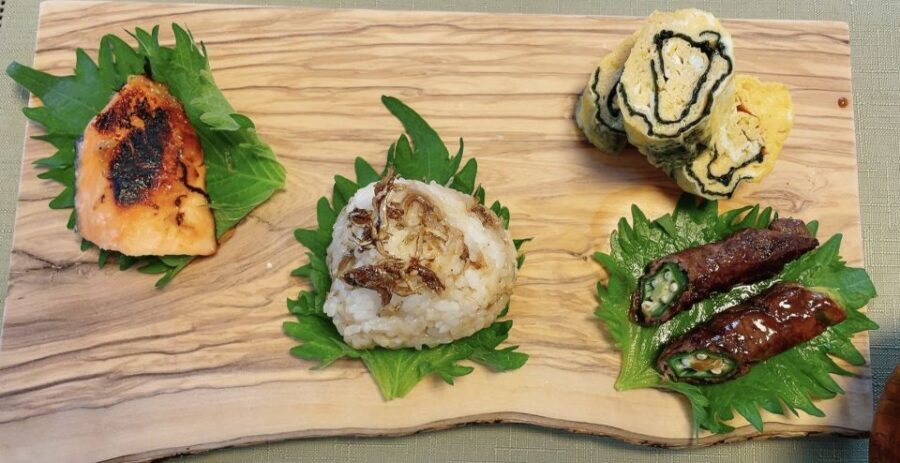
The menu gives you a real snapshot of Japanese home flavors. You’ll work with:
- Japanese dashi stock
- Grilled fish with saikyo-yaki style
- Rice ball
- Japanese miso soup
On top of that, the class is described as teaching Japanese family recipes such as dashimaki tamago and saikyo-yaki. In practice, think of it as learning the core technique patterns: building a flavor base with dashi, using miso for flavor depth, and balancing taste in everyday dishes.
If you’re the type who wants a “transferable cooking skill” instead of a one-off meal, this is a good sign. Dashi and miso aren’t just ingredients in Japan—they’re systems. Once you understand the logic of the base, you can apply it to new recipes later.
Why the dashi lesson is the real foundation
Dashi stock might look simple, but it’s where a lot of Japanese flavor starts. When you make dashi yourself in a classroom setting, you get a feel for how lightly it can taste at first—and how that clarity supports everything else. You’ll also learn why seasoning decisions change depending on what you’re cooking.
This kind of training is valuable if you’ve ever cooked Japanese-inspired food at home and felt it tasted “close, but not quite.” The difference is usually the base, not the garnish.
Saikyo-yaki style: the miso flavor trick you can repeat
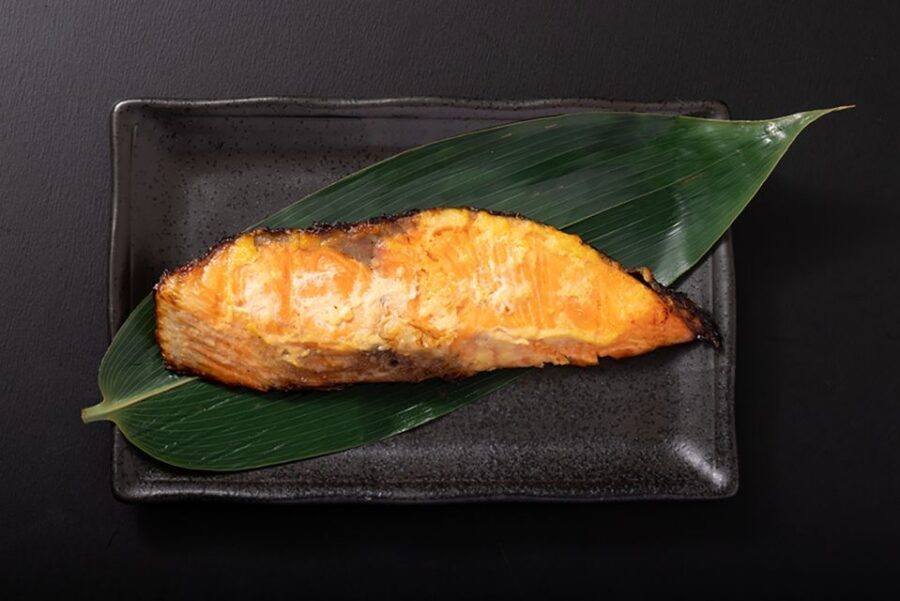
Saikyo-yaki is one of those dishes that tastes like it took a long time, even when it’s made with a focused method. In this class, you’ll cook grilled fish using saikyo-yaki style flavors, which gives you hands-on experience with miso-marinated seasoning.
What I like about learning this style is that it’s not just about eating the fish. You’re learning a flavor strategy:
- use miso to add depth without overpowering,
- then bring it together with heat and grilling.
Even if you don’t cook fish the same way at home, you can reuse the idea. Many people end up applying this miso logic to other proteins or even vegetables once they understand the taste direction.
A practical note on expectations
This is a home-style class. That’s good news if you want comfort and clarity. If you’re an advanced cook hoping for high-level grilling science or creative variations, you might find the session stays close to the recipe path. Go in ready to learn the standard version well first.
A few more Tokyo tours and experiences worth a look



Dashimaki tamago: rolled omelet technique, Japanese-style
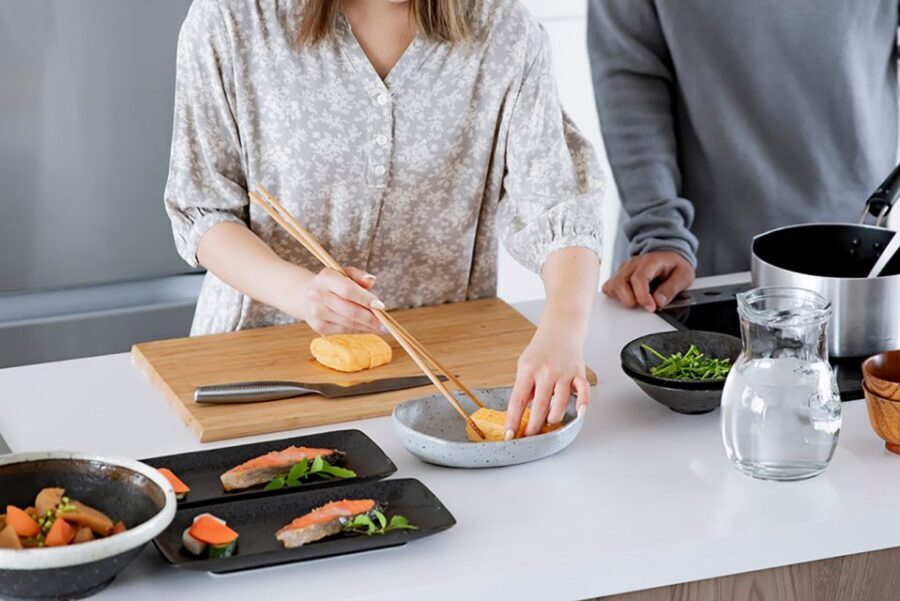
The highlight list calls out dashimaki tamago, and it’s easy to see why. Rolled omelet is deceptively challenging: heat control, texture, and the rhythm of rolling all matter.
You’ll be learning it as part of the Japanese home recipe focus. The big value here isn’t just that you get a tasty dish—it’s that you learn a Japanese approach to texture. That style of omelet is a great “gateway” dish because once you understand the method, you can start experimenting while still keeping the dish recognizable.
If you’re cooking at home later, the rolled omelet teaches you to think in layers: build flavor and structure one step at a time.
Rice ball and miso soup: balance you can taste immediately
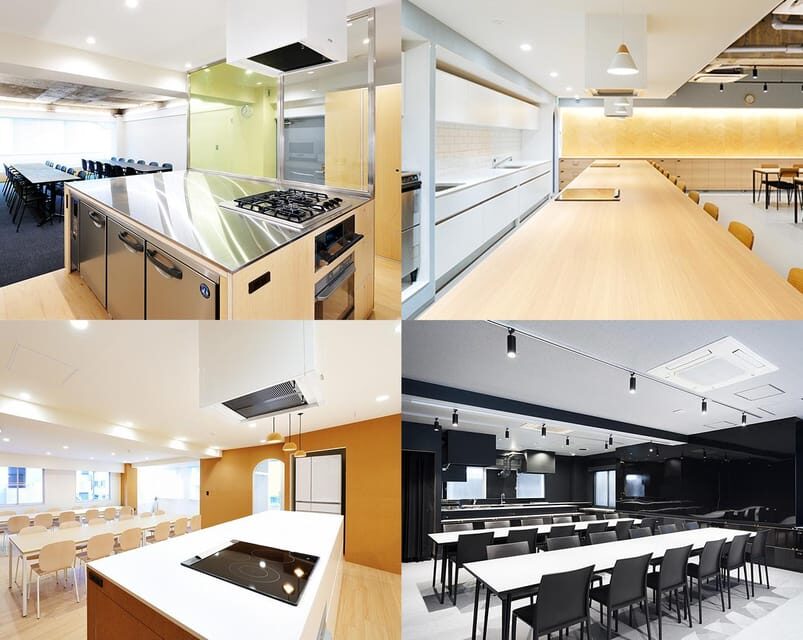
Rice ball and Japanese miso soup may sound simpler than tamago or fish, but they often give away how skilled a home cook is. In a class like this, you’re being trained on more than technique—you’re learning what balance feels like in the bowl.
Miso soup is also where nutritional balance and seasoning logic show up clearly. You learn that miso doesn’t exist alone. It works with the dashi base, and it works within the overall meal’s flavor arc.
The rice ball part matters too. It’s a home comfort food, and it’s often shaped by small decisions: salt level, moisture feel, and how the meal components connect.
The 13:00 tasting: you eat your work with drinks
After cooking, you’ll have a 13:00–13:30 tasting time to enjoy what you made. That’s a key difference from many classes that feel like a workshop where you barely taste your own food.
Here, the meal includes what you cooked, plus drinks. In other words, you finish with an actual sit-down experience—very much in line with the idea of learning Japanese home dining rather than just collecting recipes.
Why tasting right away helps your future cooking
This timing helps you remember sensory details. When you taste your own cooking soon after making it, you can connect the taste to the last step you performed. That’s how you build real cooking intuition: not just knowing what step came next, but understanding why the food ended up the way it did.
It also makes the class feel complete. You’re not leaving with “homework.” You’re leaving with a meal you already enjoyed, and that makes the recipes easier to trust later.
Who teaches, and what that means for your experience
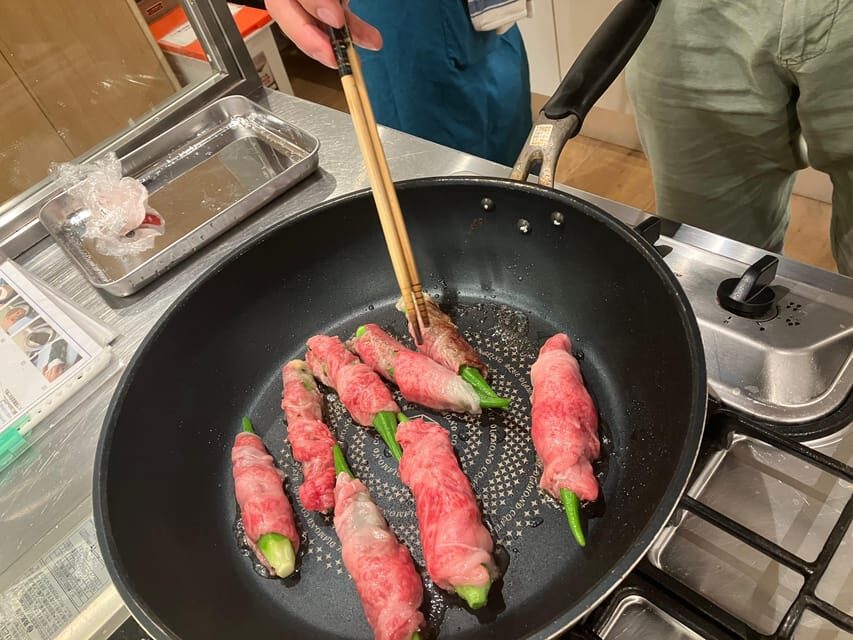
The class is taught in English, and at least some sessions have included instructors named Nao and Erika. In the best cases, that kind of teaching style comes across as patient and practical, with recipes you can realistically recreate later.
Still, it’s worth keeping expectations grounded. One past participant described the instruction as more amateur and recipe-following than fully chef-led, including basic tool sharpness and the instructor occasionally checking the next steps. That doesn’t mean every class is like that, but it does suggest the overall style is hands-on and recipe-centered rather than a high-pressure culinary seminar.
If you want a smooth, very polished “chef demonstration” vibe, this may not fully match. If you want a friendly entry point into Japanese home flavors, it can be exactly the right fit.
Price and value: $90 for cooking, ingredients, and a full meal
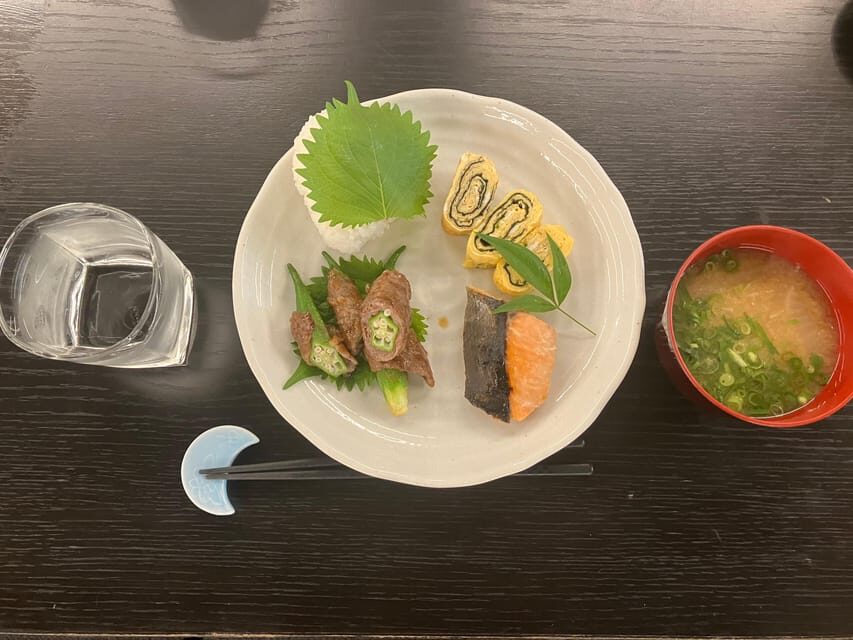
At $90 per person for 150 minutes, you’re paying for more than instruction. You’re also getting:
- ingredients,
- the meal made from what you cook,
- drinks, and
- English-language guidance.
That’s where the value is. In Tokyo, ingredients alone can add up fast if you try to recreate these dishes on your own after buying everything separately. Here, your “shopping list” is already handled, and you get a guided path through the process.
You’re also not paying for hotel pickup and drop-off—so plan to get yourself to the studio area. That may lower the overall cost, and it makes the experience feel more like a local workshop than a packaged bus tour.
Location near Shinjuku, Chiyoda, or Minato: plan to confirm your exact studio
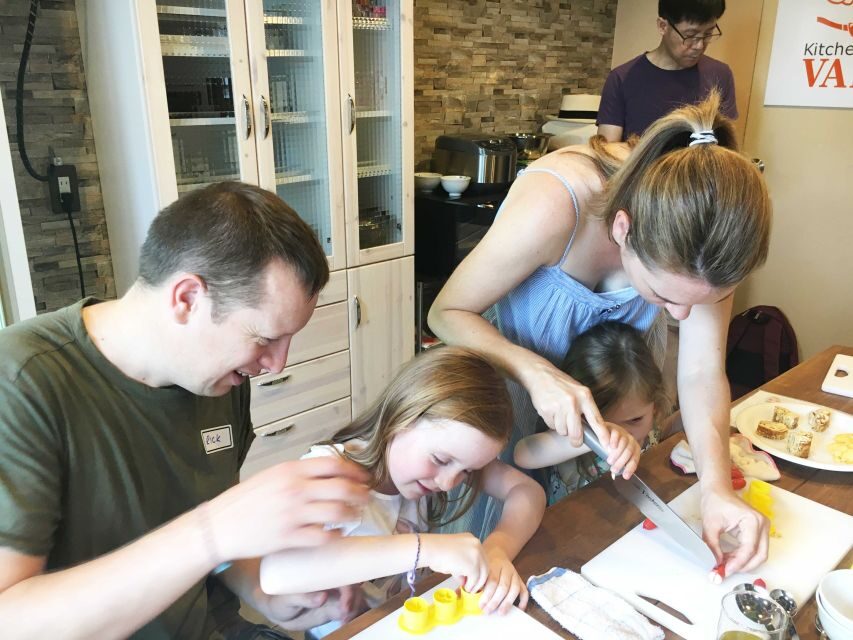
The class studios are located near Shinjuku, Chiyoda, and Minato wards. There’s an important detail: the address shown on Google Maps may point to the wrong place, so don’t rely on it as your final destination.
What you should do instead:
- go to the designated studio before the start time,
- and expect the organizer to share the exact details 3 days before your reservation.
This kind of setup is common for multiple studios, but it’s still worth treating seriously. Arrive early enough to find the right entrance without stress.
What’s included, what’s not, and what to bring in your head
You’ll have the cooking class, ingredients, meal, and drinks included. What’s not included is hotel pickup and drop-off, so you’re responsible for getting there on time.
Since the class involves hands-on cooking, go with a mindset of active participation. If you’re expecting a passive demo, you may feel like you’re not getting your money’s worth.
Also note:
- smoking indoors is not allowed.
Those rules are simple, but they matter for comfort in a small studio environment.
Who this Tokyo home-cooking class suits (and who should skip it)
This experience is not suitable for:
- children under 3 years,
- people with back problems, and
- vegans.
So who benefits most?
- Food lovers who want a practical recipe foundation, especially with Japanese flavor bases like dashi and miso
- Couples and solo travelers who like learning with their hands
- People who want a realistic path to recreate at home using step-by-step family-style methods
Who should think twice?
- Vegans (the menu includes fish and miso soup, and the class is not listed as vegan-friendly)
- Anyone with mobility or back limitations who might struggle during cooking and standing tasks
Should you book it? My straight answer
Book it if you want a friendly, recipe-based entry into Japanese home cooking and you’re excited by the core building blocks—dashi, saikyo-yaki, and the texture work of dashimaki tamago. At $90, the inclusion of ingredients plus a real tasting meal with drinks makes it feel like more than a class with a snack.
Skip it or choose carefully if you’re an advanced cook hunting for deep chef-style technique variations, because the teaching style may stay close to the recipe. And if you have back issues or need vegan food, this isn’t the right match.
If you like learning by doing and eating what you made, this is a solid Tokyo experience.
FAQ
How long is the Japanese home-style cooking class in Tokyo?
The experience lasts about 150 minutes, including cooking time (11:00–13:00) and tasting time (13:00–13:30).
What recipes or dishes are included?
You’ll cook items such as Japanese dashi stock, grilled fish with saikyo-yaki style, a rice ball, and Japanese miso soup. The class is also described as teaching recipes like dashimaki tamago and saikyo-yaki.
Is the class taught in English?
Yes, the instructor teaches in English.
What’s included in the price?
The price includes the cooking class, ingredients, the meal (the dishes you cook), and drinks.
What’s not included?
Hotel pickup and drop-off are not included.
Where do I meet the instructor?
The cooking studios are near Shinjuku, Chiyoda, and Minato wards. The exact meeting details are provided 3 days prior to your reservation, and the Google Map address shown may be incorrect.
Is this class suitable for vegans or very young children?
No. It’s not suitable for vegans. It’s also not suitable for children under 3 years.
Are there rules during the class?
Smoking indoors is not allowed.