REVIEW · TOKYO
Tokyo: Samurai Experience with Lunch and Guided Tour
Book on GetYourGuide →Operated by MagicalTrip · Bookable on GetYourGuide
Samurai training in Tokyo starts with a kimono. This 4-hour experience puts you in Kagurazaka, a quieter corner of Honshu where Edo-era houses and temple streets make the samurai story feel grounded, not like a theme park. You’ll hear how samurai spirit connects with Shinto shrines and Buddhism, then learn movement basics with instructors and watch a live performance before lunch.
What I really like is the blend of street history and hands-on practice. A guide leads you through the area with clear explanations of samurai philosophy, temple life, and the ideas behind Zen, so the physical training doesn’t feel random. I also love that the session is built for beginners, with professional instructors stepping you through basic fighting movements, plus lots of photo chances along the way (the guide name Mark came up in one group I read about).
One thing to consider: food choices are limited. You can get a vegetarian lunch, but vegan and gluten-free options aren’t available, and the tour can’t guarantee allergy-free meals.
In This Review
- Key takeaways before you go
- Kagurazaka makes the samurai lesson feel real
- Where you meet (and why it’s simple)
- Zenkokuji: the quick temple stop that frames the day
- Samurai basics with kimono rental: what you actually do
- The live performance: fun theater with real discipline
- After training: a guided stroll through Kagurazaka lanes
- Lunch in a traditional house over 70 years old
- What you can eat (and the one big limit)
- Kagurazaka treats and local snacks
- Price and value: is $162 worth it?
- Who this tour suits best (and who should skip it)
- Final call: should you book this samurai experience?
- FAQ
- How long is the Tokyo Samurai Experience with Lunch and Guided Tour?
- Where is the meeting point?
- What’s included in the price?
- Is vegetarian lunch available?
- What ages can join?
- Is wheelchair access available?
- Do I need hotel pickup or drop-off?
Key takeaways before you go
- Kagurazaka first, samurai second: you learn the context while walking historic streets, not after.
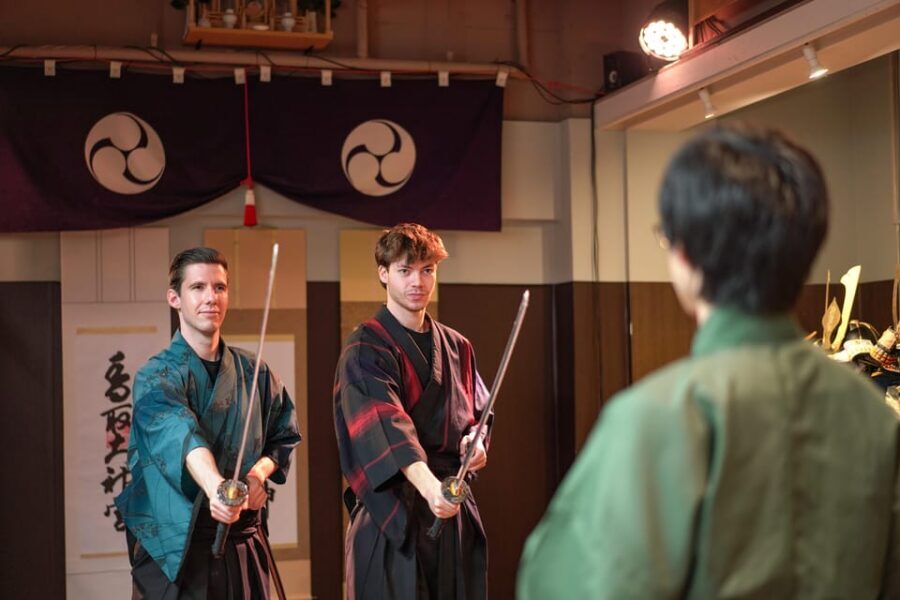
- Kimono included: you get the rental as part of the 1-hour samurai experience.
- Pro performance + practice: watching trained actors is fun, then you try the basics yourself.
- Lunch in an old house: it’s served in a traditional home that’s over 70 years old.
- Vegetarian lunch only: vegan and gluten-free can’t be accommodated.
- Small group (up to 9): easier pacing, better chances for photos, and a calmer feel.
Kagurazaka makes the samurai lesson feel real
If you’re going to learn samurai moves, I think Kagurazaka is the right neighborhood for it. This area has an Edo-era atmosphere, and the day is designed to start with the setting: temple streets, old lanes, and guiding talk that connects samurai life to Shinto and Buddhism.
You’re not just handed a costume and sent off. The guide’s narration is meant to give you a way to understand what you’re seeing and doing—ideas like discipline, belief, and how spiritual life shows up in daily behavior. That makes the training portion land better, even if your background is zero martial arts.
Also, the walk component matters. Kagurazaka’s deep streets can be a slow, satisfying stroll, and you’ll have time for small stops and photos instead of rushing like a roller-coaster tour.
You can also read our reviews of more guided tours in Tokyo



Where you meet (and why it’s simple)
The meeting point is in front of Aoyama Flower Market (Ecute Edition Idabashi Store), outside JR Iidabashi Station on the West Exit. It’s one of those meetings that’s hard to mess up: you’ll see it on your right after you exit the station west side.
Two practical tips help: wear shoes you can move in during the samurai basics, and keep a bit of buffer time. The tour starts on time, and if you’re more than 15 minutes late (10 minutes before the tour start time), you can’t join or reschedule.
Once you’re there, you’ll join a small group capped at 9 participants, which tends to make the guide’s pace feel manageable.
Zenkokuji: the quick temple stop that frames the day
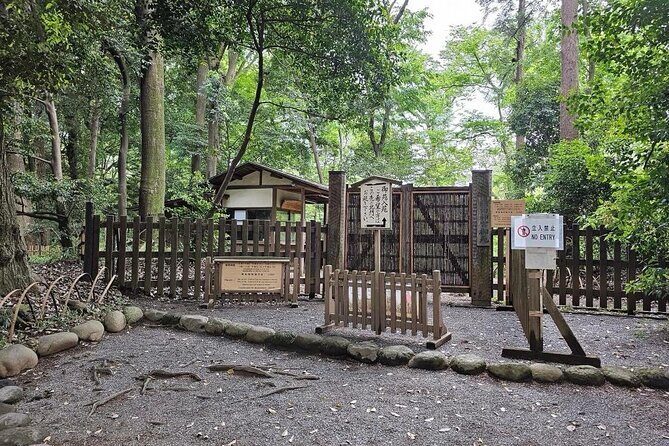
Early on, you’ll make a short guided visit and walk at Zenkokuji (about 15 minutes). The tour doesn’t hang around forever here, but that’s the point: it’s a quick anchor for the themes you’ll keep hearing later.
You can expect the guide to connect what you see around the area to the bigger cultural story: Buddhism and the Zen ideas that often appear in samurai discussions, along with the spiritual links between religious sites and everyday conduct. It’s not a lecture with no action—this is more like planting a flag so you can follow the rest of the day.
If you like to understand culture through places, this short temple stop gives you something concrete before the more theatrical parts of the tour.
Samurai basics with kimono rental: what you actually do
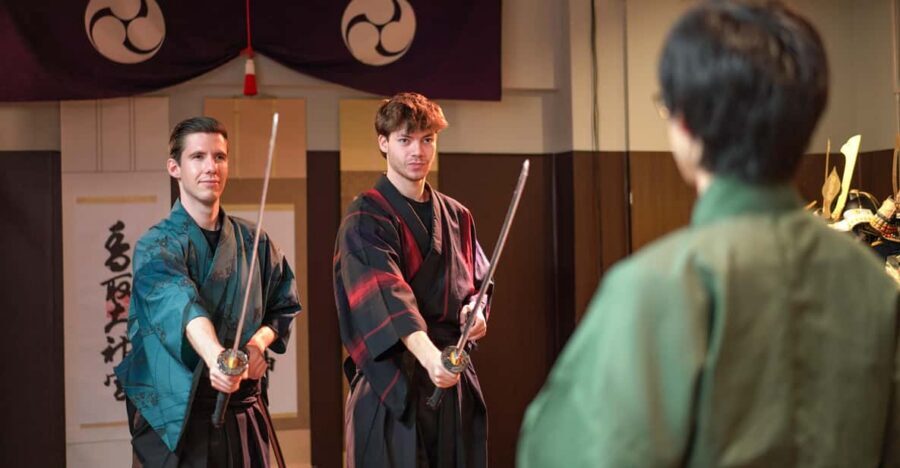
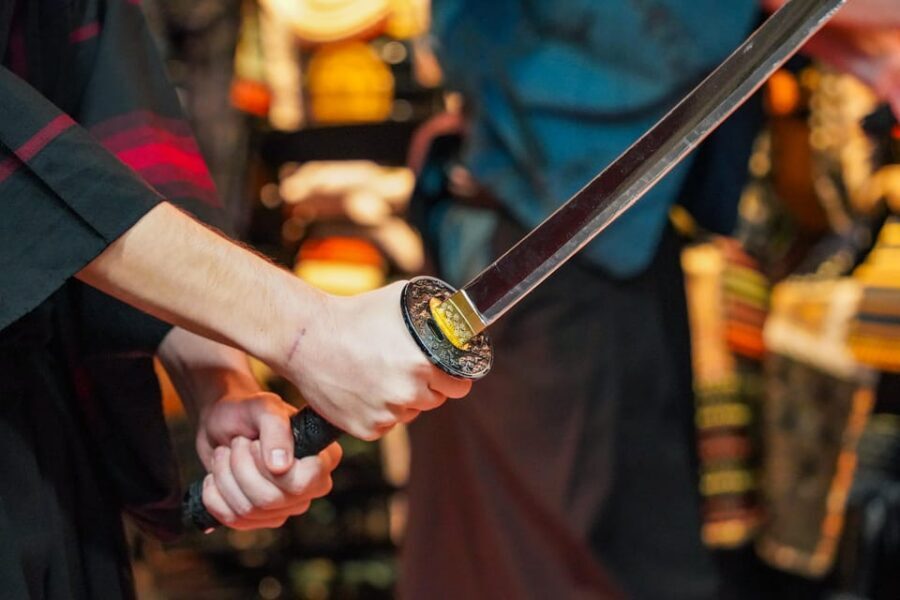
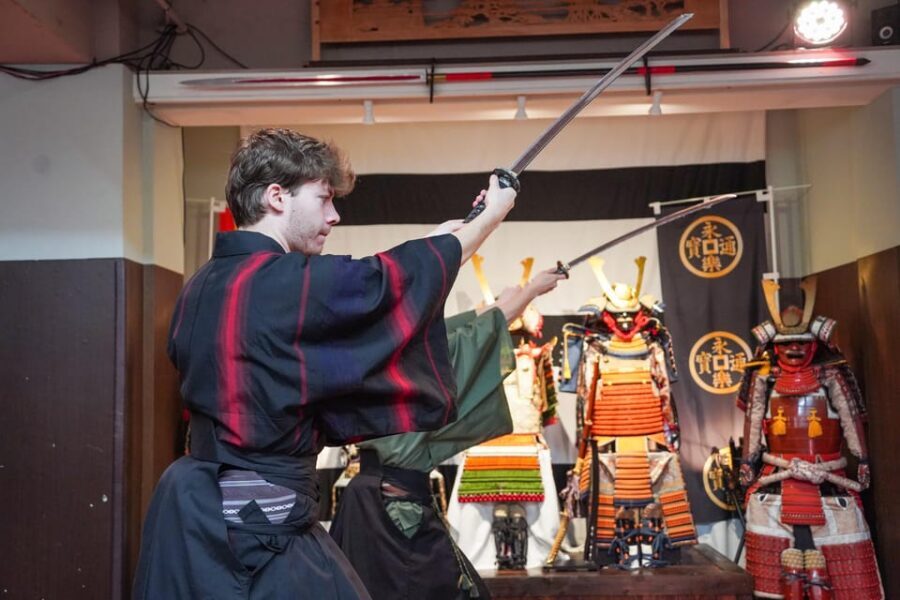
The core experience is 1 hour of samurai training with kimono rental. You’ll learn basic fighting and movement concepts with professional instructors, and the format is designed to feel beginner-friendly. Translation: you’re not expected to be a stunt performer before you show up.
What I like about training like this is that it forces you to pay attention to your body. Footwork, posture, controlled movement—these aren’t just showy gestures. Even if you only practice a handful of basics, you walk away knowing how the movements are meant to work.
The kimono rental is included, which helps in two ways. First, it’s part of the full role-play atmosphere in Kagurazaka. Second, it encourages you to slow down and move carefully, because you’re dealing with traditional clothing while you learn.
And yes, you’ll likely get plenty of photo opportunities. With a class setting, the group isn’t so large that you’re constantly waiting your turn.
The live performance: fun theater with real discipline
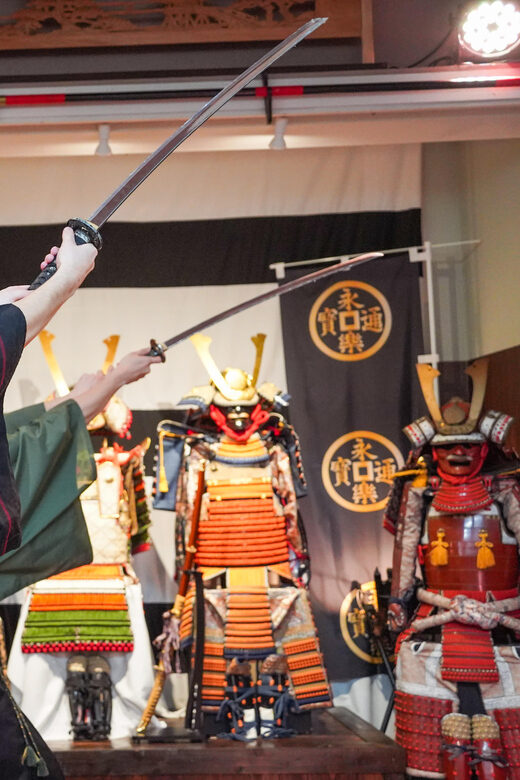
After your training, you’ll witness a performance by professional samurai actors. This is one of those “see it, then do it” segments. Watching gives you the rhythm, focus, and intensity you might not fully catch during explanation.
The tour also works the performance into learning: it isn’t just spectacle for spectacle’s sake. You’ll see how controlled motion and stance can look dramatic while still following a disciplined pattern.
If you’re traveling with kids (the tour is open to age 4 and older), this part can be the favorite. It’s action and tradition together, and it’s easier for children to stay engaged than a long stretch of walking and talking.
A few more Tokyo tours and experiences worth a look






After training: a guided stroll through Kagurazaka lanes
Once the intensity of training and performance fades, the tour shifts into walking mode again. You’ll spend time in Kagurazaka for guided sightseeing and class time, and the day includes more short guided stops around the district.
In at least some routes, you may pass places tied to geisha-era history, like Geisha alley—one group highlighted that as a standout moment. Even if you don’t know the story beforehand, the guide helps you read what you’re seeing: architecture, street layout, and the way religion and daily life used to overlap in this kind of neighborhood.
This is also when the practical side kicks in. You’ll have time to ask questions, get your bearings, and snap photos without feeling rushed. The small group size helps here; you’re not fighting for space on a narrow lane.
Lunch in a traditional house over 70 years old
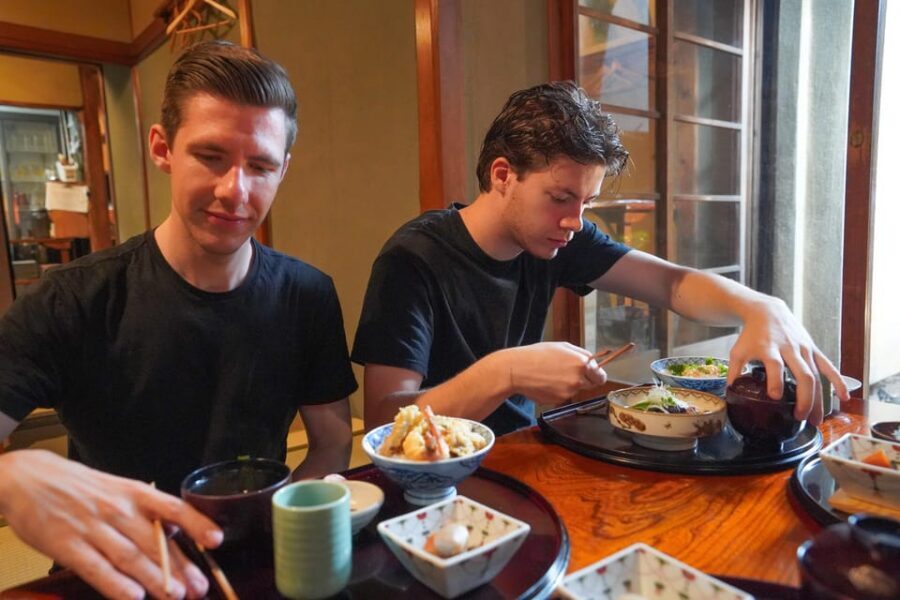
One of the best parts of this tour is lunch in an old Japanese home. You’ll eat in a traditional house over 70 years old, described as a former teahouse and even tied to geisha history.
That setting changes how lunch feels. It’s not just fuel between activities; it adds atmosphere. Eating somewhere with a long past can make the earlier samurai and temple themes feel more connected, even if the food itself is simply delicious and comforting.
What you can eat (and the one big limit)
- Vegetarian lunch is available.
- Vegan and gluten-free options are not available.
- Shellfish allergy requests can’t be accommodated, and the tour notes that meals can’t be guaranteed allergy-free because food is prepared in kitchens outside the provider’s control.
So if you have a flexible diet, you’ll probably be happy. If you need vegan or gluten-free meals, this isn’t the right fit based on the stated limitations.
If you’re able to do vegetarian, the meal should feel like a satisfying pause. One group I read about called the restaurant delicious, which matches the way the experience is set up: after training, you sit down, reflect, and reset.
Kagurazaka treats and local snacks
You’ll also get a traditional food or sweet (one item you can choose during the tour). The tour highlights options like chimaki, steamed buns, or modern sweets.
This is a smart touch. Food stops help you break up the pacing, and snacks make the street walk feel more personal and less like sightseeing-only. You’ll also have time for a brief shopping stop in Kagurazaka, plus local snacks near the end of the walk.
If you like tasting as you go, this segment keeps the day from turning into one long activity block.
Price and value: is $162 worth it?
At $162 per person for about 4 hours, the price needs to buy more than a walk and a story. In this case, it does.
Here’s what you’re paying for, in plain terms:
- 1 hour of samurai experience with kimono rental
- 3.5 hours of a local guide over the tour
- A live samurai performance segment
- Lunch in a traditional Japanese house (with a vegetarian option)
- One traditional food or sweet
- Small group size (up to 9)
That package is why it can feel fair. You’re not just paying for information—you’re paying for training time and guided access to a historic district, plus the performance and meal. If you’re into martial arts, history, or Japanese performance culture, you’ll likely feel the value more than someone who mainly wants photos.
If you’re purely a wanderer who hates structured activities, the “practice session” may feel like extra time. But if you’re curious, this format is a good way to see samurai culture from both sides: on the street and in motion.
Who this tour suits best (and who should skip it)
This is a strong fit for:
- People who want samurai culture with context, not just sword poses
- Beginners who want basic movement instruction
- Families with kids age 4+
- Anyone who likes the combo of history, temples, and short, active classes
- Those who enjoy small-group experiences with time for photos
It may not suit you if:
- You need vegan or gluten-free meals (not available)
- You use a wheelchair (the tour is not suitable)
- You’re looking for hotel pickup and drop-off (not included)
- You know you might be late due to station transfers or tight schedules (the tour starts on time, and lateness can block participation)
Also, no smoking and no alcohol or drugs are allowed. That’s normal, but it matters in terms of keeping the training environment comfortable.
Final call: should you book this samurai experience?
I’d book it if you want a Tokyo day that mixes atmosphere and action: Kagurazaka walking, a temple framework at the start, kimono + samurai movement basics, a live pro performance, and lunch in an old traditional house. For $162, you’re buying a full package, and the small group size helps it feel personal.
Skip it if your biggest priority is flexible eating options or long, free-form exploration. With vegetarian lunch available but vegan and gluten-free not supported, your meal needs have to match the stated options.
If you can plan around that, this tour is one of the more memorable ways to experience samurai culture in a real neighborhood rather than a studio setting.
FAQ
How long is the Tokyo Samurai Experience with Lunch and Guided Tour?
It lasts about 4 hours.
Where is the meeting point?
You meet in front of Aoyama Flower Market (Ecute Edition Idabashi Store), outside the West Exit of JR Iida-bashi Station.
What’s included in the price?
You get a kimono rental plus 1 hour of the samurai experience, lunch (vegetarian option available), a local English guide for about 3.5 hours, and one traditional food or sweet.
Is vegetarian lunch available?
Yes, a vegetarian lunch option is available if you request it in advance (by the day before the tour). Vegan and gluten-free options are not available.
What ages can join?
The tour is open to participants age 4 and older.
Is wheelchair access available?
No, the tour is not suitable for wheelchair users.
Do I need hotel pickup or drop-off?
No, hotel pickup and drop-off aren’t included.