REVIEW · TOKYO
Tokyo Sumo History Tour with Chanko Nabe Lunch
Book on Viator →Operated by Maikel. T · Bookable on Viator
Sumo makes more sense on foot. In about three hours in Ryōgoku, you trace how sumo grew from sacred ritual to pro sport, then close with a proper chanko-nabe lunch. If you’ve ever watched a bout and wondered what you’re actually looking at, this kind of guided walk helps everything click fast.
What I like most is the way the tour connects key places to what they meant for sumo over time. You start in sumo-town at Ryōgoku Station, then move through the arena area and the historic temple grounds tied to the sport’s organized beginnings. I also like that the finish meal is built into the experience, not tacked on, so you get the taste of the wrestlers’ daily comfort food.
One consideration: you do not get access to tournament seating inside the arena, and you may not always visit the Sumo Museum. The tour adapts, so the plan stays interesting, but if you’re counting on specific museum rooms, you’ll want to keep expectations flexible.
In This Review
- Key Highlights
- Ryōgoku Station: The Easy Way to Start Sumo
- Ryōgoku Kokugikan: What You See Outside the Arena
- Ekō-in Temple Site and the Chikara-zuka Monument
- Museum Day vs. Stable Day: Seeing Sumo Up Close
- Edo Noren and the Life-Sized Ring Replica
- Chanko Nabe Lunch: The Taste of Wrestler Life
- Price and Value: Is $91.04 a Good Deal?
- Who This Tour Suits Best
- Tips to Get the Most From the Walk
- Should You Book the Tokyo Sumo History Tour With Chanko Nabe?
- FAQ
- How long is the Tokyo Sumo History Tour with Chanko Nabe lunch?
- What does the tour include?
- Where does the tour start and where does it end?
- What time does the tour begin?
- Is the Sumo Museum always included?
- Can I enter the arena seating area at Ryōgoku Kokugikan during tournaments?
- What is chanko-nabe lunch like?
- How large is the group?
- Is free cancellation available?
Key Highlights
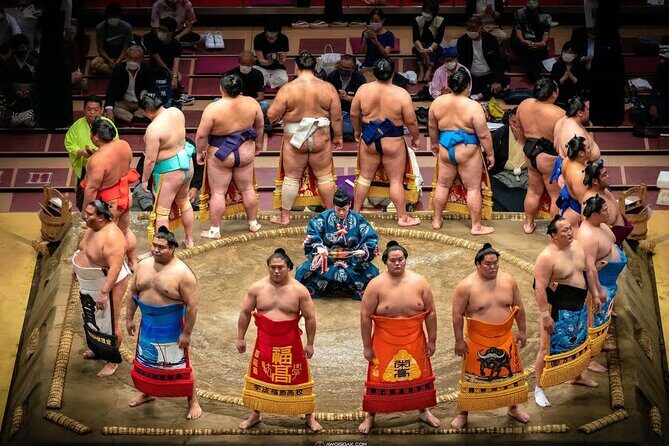
- Ryōgoku Station to Kokugikan area gives you the layout of sumo-town in a single, logical route
- Ekō-in Temple site and Chikara-zuka Monument show how the sport connects to sacred roots and respect rituals
- Museum-or-stable option keeps the experience moving even when the Sumo Museum is closed
- Life-sized sumo ring replica at Edo Noren helps you understand salt-throwing and pre-bout behavior
- Chanko-nabe lunch with an individual pot lets you eat like rikishi, not like a typical set meal
Ryōgoku Station: The Easy Way to Start Sumo
The tour begins in Ryōgoku, Tokyo’s sumo neighborhood, where the vibe is instantly recognizable. Around Ryōgoku Station, you’ll see champion portraits and the kind of signage that tells you this area lives and breathes the sport.
This first stop matters more than it seems. In a place like this, it’s easy to wander and miss the meaning. A guide helps you get your bearings fast, so when you later see the arena and temple sites, you understand why they belong together in one story.
You get a short, low-stress start here too. Ten minutes is enough to orient you without locking you into a long wait before the walking really starts.
You can also read our reviews of more historical tours in Tokyo
Ryōgoku Kokugikan: What You See Outside the Arena
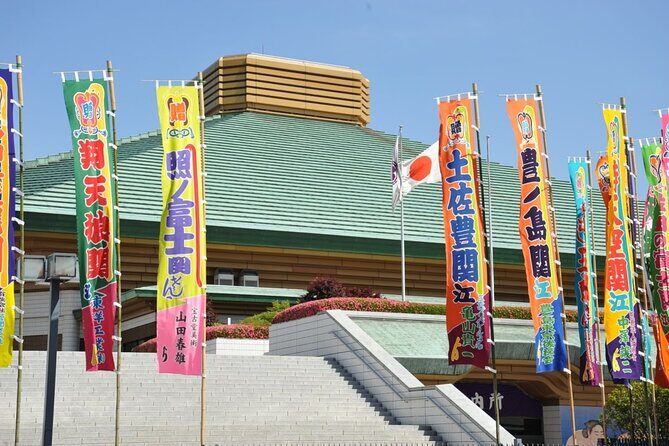
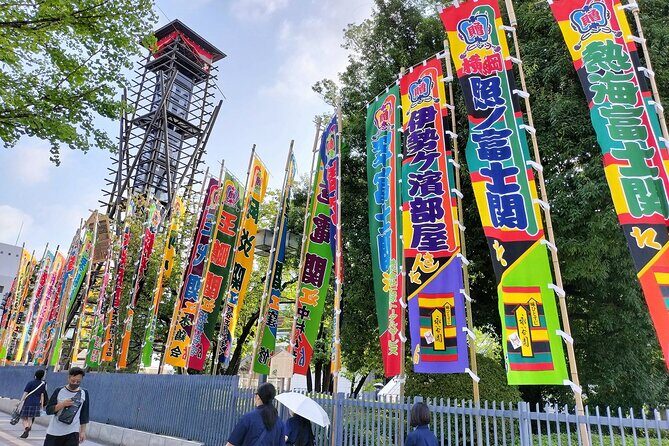
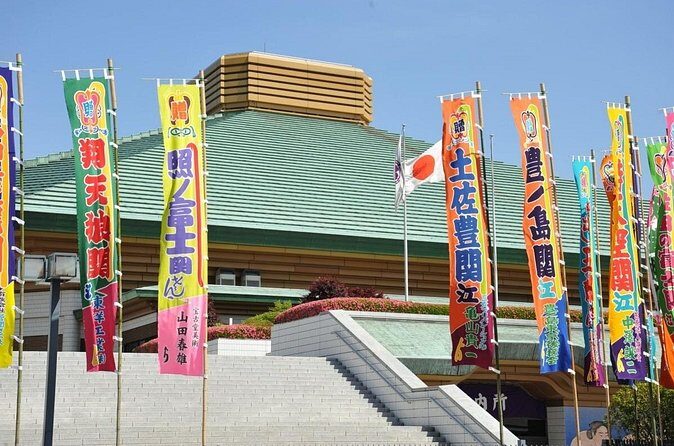
Next comes the Ryōgoku Kokugikan area, Japan’s most famous sumo stadium. You won’t go into tournament seating, but you can still take in the scale of the building and learn what it represents.
Three grand tournaments happen here each year, and the colorful banners outside are a big clue to the system behind the spectacle. Your guide’s explanations help you connect what you see on match days to what the arena is built for, not just what it looks like in photos.
A small practical point: if you want to watch a tournament, you’d still need separate arena tickets. For most people, that’s fine, because the value of this tour is learning the sport’s language and rituals, so watching later feels less like random spectacle.
Ekō-in Temple Site and the Chikara-zuka Monument
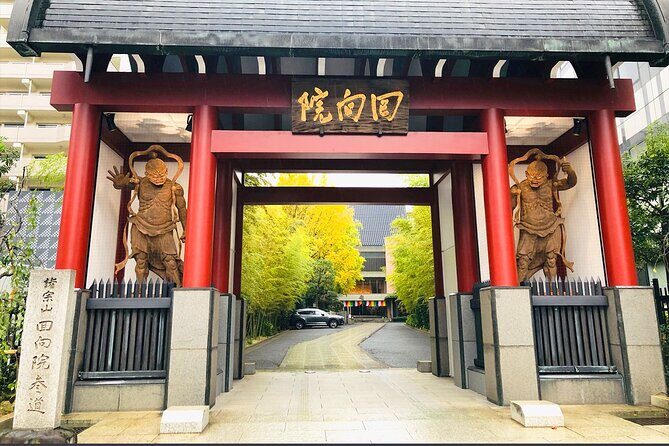
One of the most meaningful parts of the walk is the stop tied to Ekō-in Temple, where organized sumo matches began. Even if you’re not the type who reads every plaque, this is the moment you can feel the sport’s original purpose.
At the site, the Chikara-zuka Monument is where respect and tradition become very real. Paying attention to what the monument honors gives you context for the officials, referees, and past wrestlers who shaped sumo into what it is today.
This is also where sumo stops being only about hitting and pushing. You start seeing it as a ritualized performance with rules, roles, and a strong sense of continuity. That lens makes the rest of the tour much more satisfying.
Museum Day vs. Stable Day: Seeing Sumo Up Close
Then you hit one of the tour’s smartest design choices: the experience changes based on whether the Sumo Museum is open.
If it’s open, you get a compact but fascinating look at sumo heritage. Expect exhibits tied to ceremonial aprons, photos, and trophies, with enough variety to help you picture how the sport is preserved and presented. This is a good stop if you like objects and want a quick way to understand the sport’s timeline.
If the Sumo Museum is closed, the tour pivots to two historic stables. Instead of artifacts on shelves, you learn how rikishi live day to day, with your guide walking you through the stables’ different designs and what that means in practice.
Either way, the tour keeps your attention on the same goal: how sumo works beyond what’s happening in the ring. For your brain, this is a win. You’re not just taking in locations; you’re building a mental map of what sumo values and how those values show up in daily routine.
Edo Noren and the Life-Sized Ring Replica
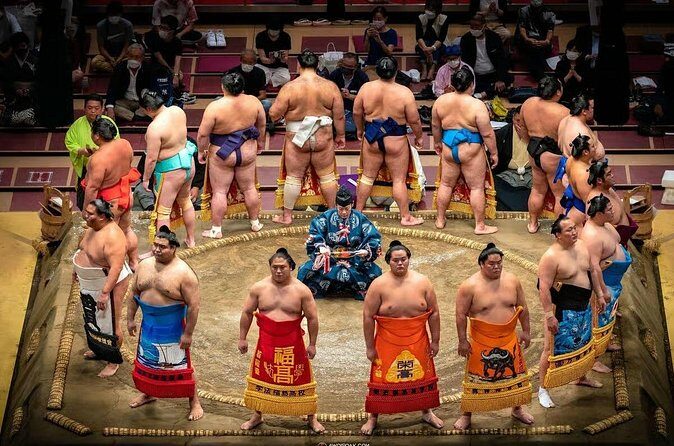
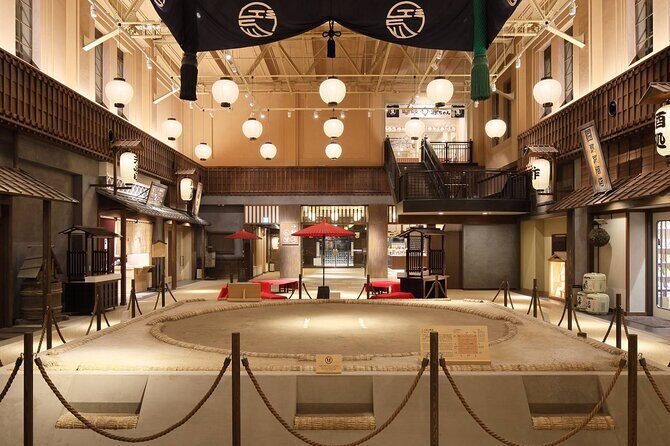
At Ryōgoku Edo Noren, you get a life-sized sumo ring replica, which is great for learning and for photos. More importantly, it gives you a physical reference point for things that can feel abstract when you’re watching from a distance.
Your guide explains key pre-bout rituals, including salt-throwing, and what wrestlers do before they square off. When you stand near the ring and learn what the actions mean, you start noticing those moments during real tournaments instead of treating them as background noise.
There’s also a hands-on feel to this stop. You can try sumo poses, so the learning becomes playful. That’s not just for fun. It helps you remember details later, because your body has been part of the experience.
If you’re traveling with friends or family, this is one of the stops that keeps everyone engaged, even if only one person in the group is a sumo fan.
A few more Tokyo tours and experiences worth a look


Chanko Nabe Lunch: The Taste of Wrestler Life
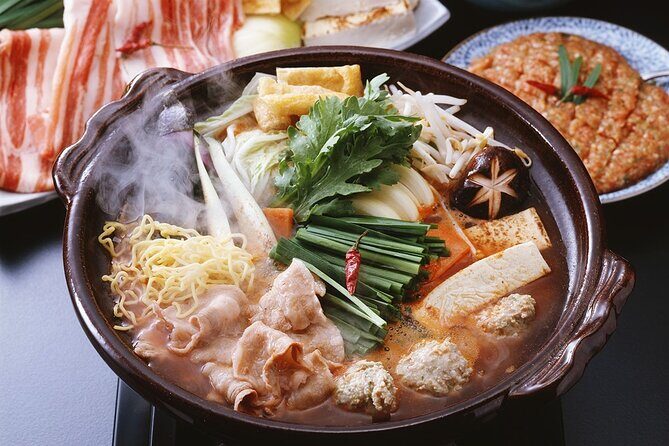
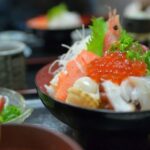
The tour ends with chanko-nabe, the traditional hotpot meal associated with sumo wrestlers. This is the right final note because it turns the tour from history and ritual into something you can actually taste.
You’re served chanko-nabe in individual pots, so it feels closer to what you’d imagine inside a stable life rhythm. The specific restaurant can vary depending on availability, but the meal style stays consistent: you eat the hotpot set, and you finish warm and satisfied.
A hotpot meal also helps you understand the culture. It’s filling, social, and practical, the kind of food that fits the routines of people who train hard every day. You don’t need to be a food snob to enjoy it. It’s comfort food with a purpose.
One caution worth keeping in mind: drinks and extra items aren’t included, so if you know you’ll want something beyond the set meal, budget a little extra.
Price and Value: Is $91.04 a Good Deal?
At $91.04 per person for about three hours, the value depends on what you want out of the experience.
If you’re the type who likes context, explanations, and a clear route through places you’d otherwise walk past, this price feels fair. The tour includes a guided walk, multiple major stops, a replica ring experience, and lunch. You’re paying for coordination and interpretation, not just sightseeing.
You also get flexibility through the museum-or-stable swap. That matters because it protects your time. You still get learning with either artifacts or daily life at stables, so the tour doesn’t stall if the museum is closed.
One tradeoff: you’re not paying for tournament tickets or arena seating access. If your goal is to watch a bout in person, this tour is best seen as preparation and context, then pairing it with a separate match day later.
For short trips in Tokyo, I like tours that connect a themed story to the exact area where it belongs. This one does that well, especially because Ryōgoku is very walkable for this kind of route.
Who This Tour Suits Best
This tour is a strong fit if you’re new to sumo and want a guide to translate the basics. You learn how to think like a viewer: what rituals mean, why the ring matters, and how the sport’s history ties back to sacred and community roots.
It also works for experienced fans, because understanding the places and the traditions can add layers to what you already watch. Even if you follow tournaments closely, seeing Ekō-in Temple’s significance and the memorial elements can deepen your appreciation quickly.
If you hate long museum-style stops, don’t worry. The Sumo Museum portion, when available, is kept to a compact visit. And if you’re a “see it in real life” person, the stable option may be even better for you because it focuses on daily lived routines.
Tips to Get the Most From the Walk
Wear comfortable shoes. This is a walking-focused experience through several stops, and you’ll feel it if you’re in slick or soft-soled footwear.
Bring a phone with enough battery. You’ll want pictures at Edo Noren, near the replica ring, and around Ryōgoku’s sumo-town landmarks. The guide’s explanations work best when you can visually match the meaning to the spot.
Come hungry in a sensible way. Lunch is part of the main plan, and the hotpot takes time to enjoy. If you eat too much beforehand, you may rush the meal instead of enjoying it properly.
Finally, ask questions when your guide mentions rituals. Salt-throwing and pre-bout behavior sound simple until you learn what they signal. Those are the details you’ll remember later when you watch at Kokugikan.
Should You Book the Tokyo Sumo History Tour With Chanko Nabe?
I’d book it if you want a smart, local, story-driven way to understand sumo without needing prior knowledge. It’s especially good for first-timers because the tour focuses on how to watch and what the key moments mean, then finishes with a meal that tastes like the sport’s everyday world.
I’d skip or reconsider if your main goal is arena seating or a hands-on look at a tournament day inside the stands, because this tour doesn’t include tournament access. Also, if the Sumo Museum is your only must-see, remember the plan can shift to stables when the museum isn’t open.
For most people, though, this is a high-value way to spend a morning in Tokyo: you get context, you get ritual, you get food, and it all happens in one clean route through Ryōgoku.
FAQ
How long is the Tokyo Sumo History Tour with Chanko Nabe lunch?
It’s about 3 hours.
What does the tour include?
The guided walking tour includes explanations at major sites, a visit to the Sumo Museum (when open) or two historic stables (when closed), a replica sumo ring experience, and chanko-nabe lunch.
Where does the tour start and where does it end?
It starts at 7-Eleven Japan, 130-0015 Tokyo, Sumida City, Yokoami, 1-chōme3-20 1階. It ends back at the same meeting point.
What time does the tour begin?
The start time is 10:00 am.
Is the Sumo Museum always included?
No. If the Sumo Museum is closed on your day, the guide leads you to two historic stables instead.
Can I enter the arena seating area at Ryōgoku Kokugikan during tournaments?
No. Entry to the arena seating area during tournaments is not possible without separate tournament tickets.
What is chanko-nabe lunch like?
Chanko-nabe is a traditional hotpot meal, and each guest has their own individual pot. Only the chanko-nabe set is included.
How large is the group?
The tour has a maximum of 20 travelers.
Is free cancellation available?
Yes. You can cancel for a full refund up to 24 hours in advance of the experience start time.