REVIEW · TOKYO
Tokyo: Sumo Morning Practice -Stable Visit Tour with a Guide
Book on Viator →Operated by gotcha · Bookable on Viator
This morning at a sumo stable feels like seeing sport work up close. You’ll get close enough to notice breathing and facial expressions, plus the sound of bodies colliding, in a way you simply don’t get from standard match seating. It’s also one of the few chances you’ll have to understand how the daily grind preserves and passes on sumo traditions.
I like two things most: first, the viewing distance is genuinely intimate, so you feel the intensity without being stuck behind glass. Second, the tour includes time for photos and questions with the rikishi after practice, so it turns from silent watching into real conversation about the sport.
One thing to keep in mind: this is stable etiquette, and it’s strict. Inside the stable, you must respect rules on conversation, video/flash, and food, and the coach’s strong, harsh voice may feel jarring at first.
In This Review
- Key things you’ll notice on this Tokyo sumo morning practice
- Tokyo Sumo Morning Practice at a stable: why it feels real
- Meeting in Oshiage and handling an early start
- What happens during training, and the rules that keep it respectful
- Photos with rikishi and a Q&A moment that makes it click
- Price and value: is $82 worth it for sumo in Tokyo?
- Who should book this Tokyo sumo morning stable tour
- Practical tips so you enjoy it from start to finish
- Should you book this Tokyo sumo morning practice?
- FAQ
- How long is the Tokyo sumo morning practice tour?
- What time does the tour start?
- Where is the meeting point?
- Is this a small group tour?
- Can I take video or use flash photography inside the sumo stable?
- Are photos allowed during the tour?
- Are snacks or food allowed during morning practice?
- Can I ask questions or take photos with the rikishi?
- What is the cancellation policy?
Key things you’ll notice on this Tokyo sumo morning practice
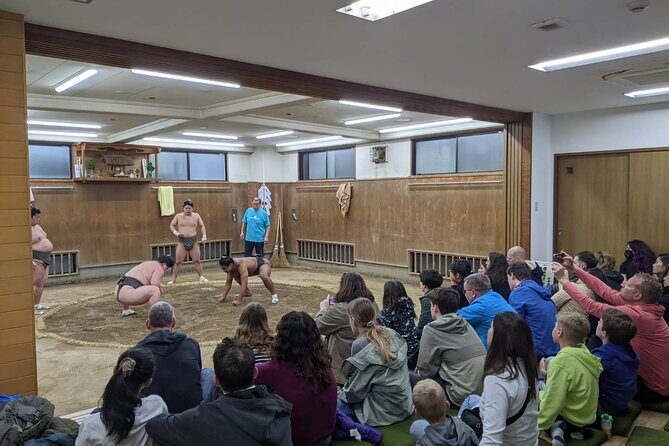
- Close-range training at a stable, not a distant show scene
- Small groups (max 10), which makes the tour feel personal instead of rushed
- Photo time and Q&A, so you’re not left with unanswered sumo questions
- Strict etiquette: no flash, no video inside, and quiet during training
- No food during practice, but you can bring a drink with a lid
- A guide plus a special brochure, which helps you read what you’re seeing
Tokyo Sumo Morning Practice at a stable: why it feels real
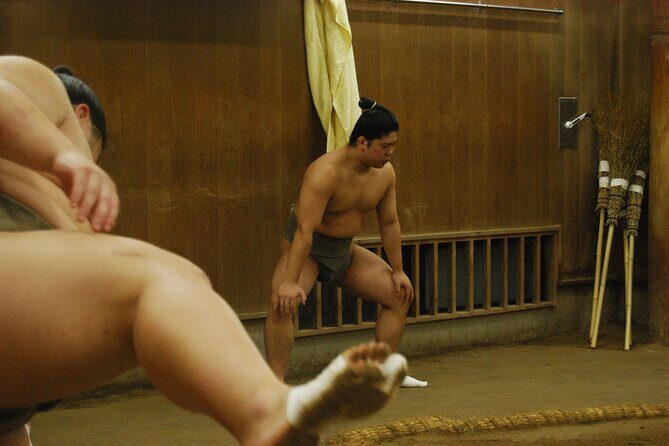
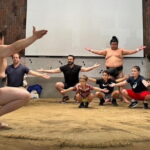
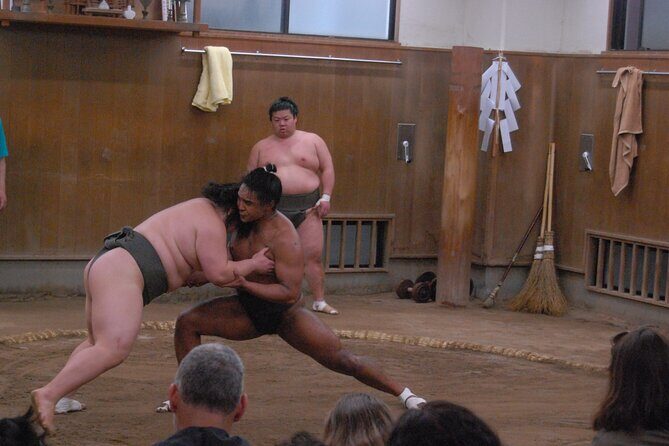
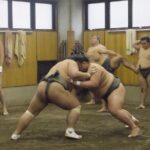
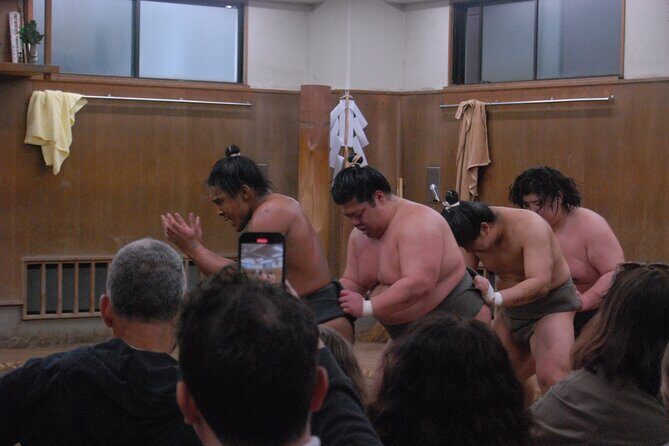
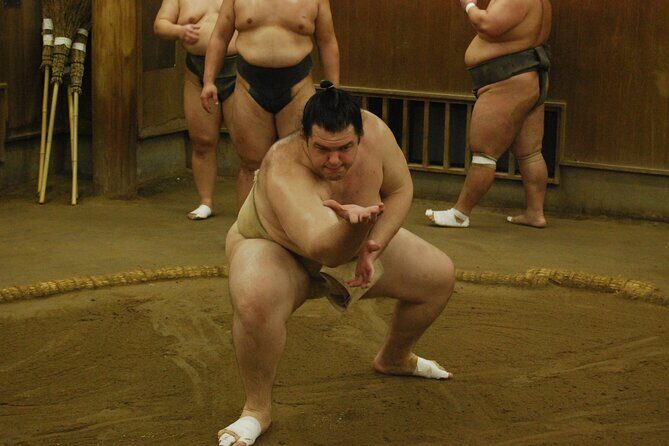
If you only know sumo from televised matches, you’ll notice the difference fast. Arena sumo is clean and formal. Stable morning practice is closer to workshop life—grunts, sweat, resets, and repetition. You see wrestlers and apprentices moving with purpose, and you catch how concentrated everyone stays even during intense drills.
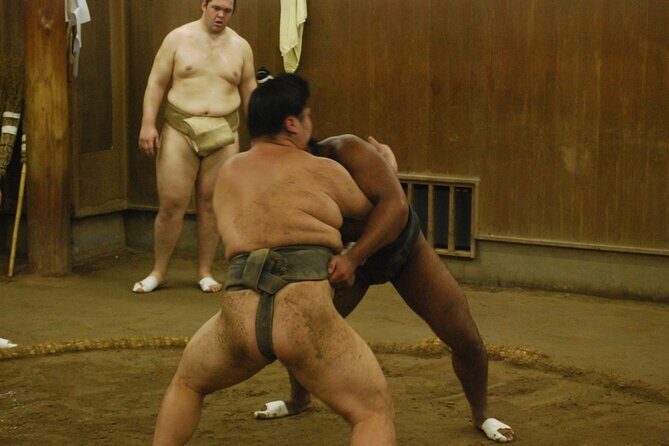
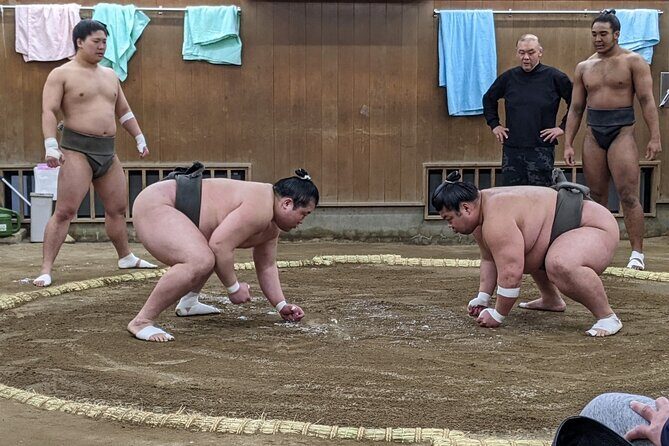
The big hook is proximity. From the stable, you can pick up details like facial expressions and the rhythm of breathing, plus the physical impact when bodies meet. That matters because sumo is not just about size—it’s timing, balance, and technique. Watching it in the morning, before the day’s distractions, makes those fundamentals easier to understand.
There’s also a specific kind of energy you’ll feel from the coach. His voice can sound strong and harsh, especially the first time you hear it. Don’t misread that. In stable life, that tone is often how instructions cut through noise and keep everyone focused.
You can also read our reviews of more guided tours in Tokyo


Meeting in Oshiage and handling an early start
This tour starts at 8:30 am and runs about 2 hours in total. You’ll meet in Oshiage, Sumida City, at Water section 1-chōme-1-1 Oshiage, Sumida City, Tokyo 131-0045. The meeting point is near public transportation, which helps, because arriving on time matters when you’re dealing with a morning routine.
The small group size (up to 10 travelers) also changes how early you’ll want to arrive. With a compact group, delays have a bigger ripple effect. If you show up a bit early, you can settle in, follow the guide’s instructions, and get ready for the etiquette rules that come next.
You’ll also use a mobile ticket, so keep your phone charged and easy to access. It’s a simple thing, but the fastest way to start your morning smoothly is not wrestling with screens or apps right when you arrive.
For clothing, think practical and comfortable for an outdoor-to-indoor transition. Morning in Tokyo can feel chilly before it warms up, and stable mornings are all about standing quietly and watching. Layers are a good idea so you can stay comfortable without fidgeting.
What happens during training, and the rules that keep it respectful
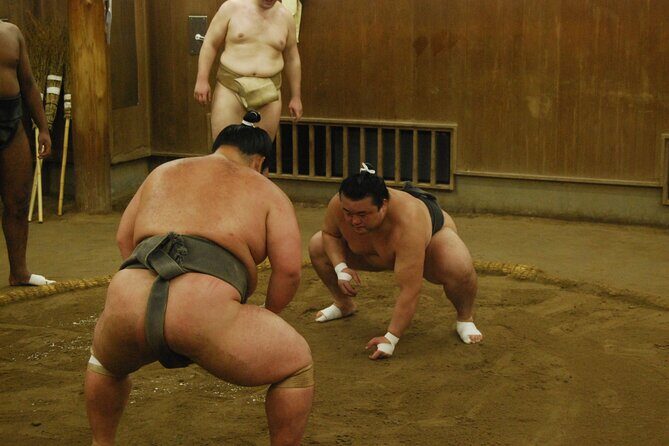
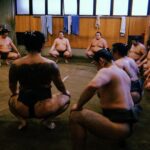
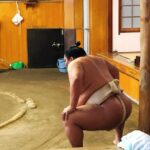
The heart of the experience is watching morning practice at the sumo stable in the Sumida area. You’ll spend about an hour observing training, with chances to learn the flow of what you’re seeing. This is not a staged performance; it’s work. That’s why the coach and apprentices maintain such focus.
During practice, the stable rules are there for a reason: concentration. You should plan on staying quiet and avoiding private side conversations while the wrestlers are training. It’s not about being stiff—it’s about not distracting people who are locked into very physical routines.
Photo and video rules are the other big part of planning:
- Video or flash photography is prohibited inside the stable.
- Photos without flash are fine.
So bring a camera plan. If you shoot with a phone, turn off flash and get used to steady framing before you’re near the ring area. You don’t want to be hunting for settings while the coach is talking and the stable is moving.
Food rules are stricter than many people expect. During morning practice, snacks, bread, rice balls, and other food are not allowed. The good news: you can bring your own drinks with lids. That’s a clear, workable system—stay hydrated without turning practice time into a snack break.
Also, treat the stable like someone’s workplace. No matter how curious you are, the best experience comes when you watch, learn, and keep your movement calm.
Photos with rikishi and a Q&A moment that makes it click
One of the strongest reasons to book is that the tour doesn’t end with you just watching. After training, you can take some photos with the wrestlers and you’ll have time to ask questions. That Q&A piece is important because sumo has lots of terms and small details that don’t make sense just from watching.
When you’re close enough to see faces and hear the physical collisions, you start noticing patterns. Why one drill looks different. Why they reset so quickly. Why the pacing matters. Questions help you translate what your eyes are catching into real understanding.
If you’re there with kids, this is the moment that usually brings the whole experience together. Kids may not care about the history on paper, but they do care about meeting the people behind the spectacle. The combination of photo time and answers makes the day feel interactive, not passive.
There’s also an element of respect built into the post-practice vibe. The tour notes suggest that if you feel inclined, you can leave a tip for the rikishi after practice. It’s not a mandatory fee, but it’s a sign you recognize that the wrestlers and staff are sharing something personal with you.
Price and value: is $82 worth it for sumo in Tokyo?
At $82, you’re paying for access you can’t easily recreate on your own. Yes, you could try to find sumo-related sights in Tokyo, but stable morning practice is one of the most schedule-dependent, etiquette-dependent experiences in the sport. The guide is what makes it actually workable for visitors.
What you get for the price:
- A tour guide who helps you understand what you’re seeing
- A special brochure designed to help you connect the dots
- Close observation of training
- Limited group size (max 10)
- Time for photos and questions with the wrestlers
The value pops when you compare it with how sumo is usually consumed. Regular competition at the Kokugikan is thrilling, but it’s not the same as being at a stable during training. Stable practice gives you the build-up: how technique and discipline form before any crowd is involved. That’s where you get the real sense of repetition and control.
Also, your experience is designed to be time-efficient. About two hours total means you can fit this into a busy Tokyo itinerary without losing your whole morning.
A few more Tokyo tours and experiences worth a look

Who should book this Tokyo sumo morning stable tour
This is an especially good fit if you like hands-on cultural experiences with rules. If you appreciate being a respectful observer and you enjoy learning how things work behind the scenes, you’ll likely enjoy it a lot.
It’s also a great choice if you want a family-friendly activity. One of the standout themes from the best feedback is that people went with their kids and found it fun and real—especially because of the Q&A and photo time. Kids may remember the facial expressions and drills more than the background details, and that’s totally fine.
Book this if:
- You want a rare chance to see daily training
- You like small groups and guided context
- You’re okay following stable etiquette (quiet, no flash, no food)
- You want photos plus a chance to ask questions
Skip it if:
- You get uncomfortable with strict on-site rules
- You hate very early mornings
- You strongly dislike watching something without being able to film freely
Practical tips so you enjoy it from start to finish
These are small things that make the difference in an experience like this.
Arrive early and settle in. With a set start time of 8:30 am and a small group, arriving a few minutes before helps you avoid stress when the guide starts briefing.
Plan your camera ahead. Flash off. Video ready to stay off inside the stable. If you’re unsure, ask the guide before you start snapping.
Keep hands and food simple. No snacks or food during practice. Bring only what you’re allowed: drinks with lids.
Expect intensity. Sumo practice is loud in a physical way—breaths, impacts, coach commands. That can be surprising, but it’s also part of what makes it feel authentic.
Ask good questions during the Q&A. The tour is short, so pick questions that help you understand technique or daily life. If you’re curious, write one down before you arrive so you don’t forget in the moment.
Should you book this Tokyo sumo morning practice?
Yes, you should book it if you want sumo that feels like work, not a show. For a relatively modest price, you’re getting stable access with a guide, a small group format, close viewing, plus the biggest bonus: time to take photos and ask questions. The rules are real, but they’re straightforward, and following them is part of respecting what you’re seeing.
If you’re hoping to film freely or snack your way through, this may not fit your style. But if you can be quiet, follow the flash/video and food rules, and you like the idea of seeing sumo before the crowds, this is one of the most memorable mornings you can build into Tokyo.
FAQ
How long is the Tokyo sumo morning practice tour?
It’s approximately 2 hours total.
What time does the tour start?
The start time is 8:30 am.
Where is the meeting point?
You meet at Water section 1-chōme-1-1 Oshiage, Sumida City, Tokyo 131-0045, Japan.
Is this a small group tour?
Yes. The tour has a maximum of 10 travelers.
Can I take video or use flash photography inside the sumo stable?
No. Video and flash photography are prohibited inside the stable.
Are photos allowed during the tour?
Yes. Photographs without flash are fine.
Are snacks or food allowed during morning practice?
No. Snacks, bread, rice balls, and other food are not allowed during morning practice. You can bring drinks with lids.
Can I ask questions or take photos with the rikishi?
Yes. You can ask questions and you can take photos with the wrestlers.
What is the cancellation policy?
Free cancellation is available up to 24 hours before the experience start time for a full refund.