Tsukiji tastes better with local eyes. This 2-hour small-group walk is a practical way to see Tsukiji Fish Market culture, not just the postcard scenes, with a guide who helps you handle the language gap and keeps the stops flowing. I love the max 10-person size (you actually get time to ask questions), and I also love that the cost includes 2 or 3 market snacks you can try right away; the only real drawback is that lunch is not included, so you’ll pay for your meal separately.
You start at Tsukiji Hongwanji Temple and learn simple temple behavior before you head into the market area. Then you connect the food to the place: a Tsukiji fish-market shrine visit and a high-up finish at Caretta Shiodome, where you get a “from-above” look at the old market footprint.
In This Review
- Key takeaways before you go
- Tsukiji on Foot: Why a Guided Walk Works Better Here
- Tsukiji Hongwanji Temple: Learning Temple Etiquette Fast
- Walking Tsukiji Fish Market: Snacks, Street Food, and Local Choices
- The realistic catch: lunch is not included
- Namiyoke Inari Shrine: The Fish-Market Story in 20 Minutes
- Caretta Shiodome Sky Deck: Seeing the Market Area From Above
- Price and Value: What $26.16 Buys You in the Real World
- Group Size and Pace: Why Small Feels Better Here
- What It Feels Like to Eat With Inok-Style Guidance
- Who This Tour Is For (and Who Should Skip It)
- Should You Book This Tsukiji Tour?
- FAQ
- FAQ
- How long is the Tsukiji Fish Market walking tour?
- What’s included in the tour price?
- Is lunch included?
- Where does the tour start and end?
- What time does the tour begin?
- How large is the group?
- Can I cancel for a full refund?
Key takeaways before you go
- A small group (10 max) means the guide can explain what you’re seeing, not just lead you past it
- 2–3 included Tsukiji samples make the price feel fair, especially when you’re eating anyway
- Temple + shrine stops help you understand Tokyo customs tied to the market area
- A guided lunch stop nearby is planned, but lunch itself is at your own expense
- Photos included so you don’t have to juggle your camera while eating
Tsukiji on Foot: Why a Guided Walk Works Better Here
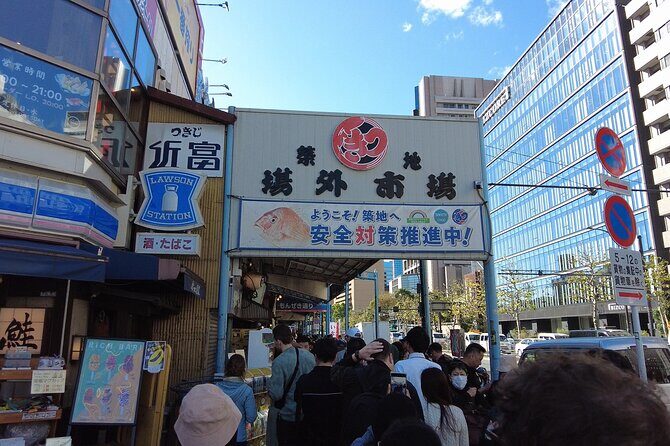
Tsukiji is one of those places where the details matter. If you only wander, you’ll likely miss why certain foods are sold the way they are, why vendors look the way they do, and which lanes and corners are worth your time. With a guide, you’re not trying to decode Japanese signage while your stomach is asking for a snack.
This tour is also built like a smart loop. You begin with culture at Tsukiji Hongwanji Temple, move into the market area for street-food grazing, then shift to the Namiyoke Inari Shrine story before ending at Caretta Shiodome for a clear skyline view. That arc helps you make sense of Tsukiji as a working neighborhood, not just a food stop.
You can also read our reviews of more walking tours in Tokyo
Tsukiji Hongwanji Temple: Learning Temple Etiquette Fast
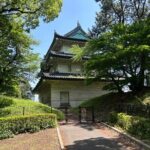
The first stop is Tsukiji Hongwanji Temple, with about 20 minutes on site. The big value here isn’t sightseeing for its own sake. It’s learning how to act in Japanese temples so you’re not accidentally doing the wrong thing in front of people who treat the space seriously.
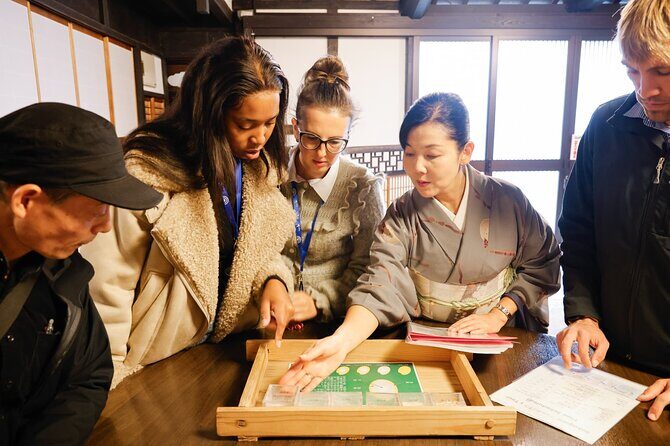
You’ll get a brief grounding in traditional ritual behavior before you enter. One example included in the tour notes is the incense and prayer style associated with Johdo Shinsyu practice, shown in a way that helps you follow along. Even if you’ve visited temples before, this is the kind of quick coaching that makes your visit feel respectful and less awkward.
A practical plus: the admission ticket for this stop is free, so you’re spending time on the experience, not lining up for an extra fee.
What to watch for: go slowly, follow the guide’s lead for any ritual steps, and treat this as a calm start before the market noise.
Walking Tsukiji Fish Market: Snacks, Street Food, and Local Choices
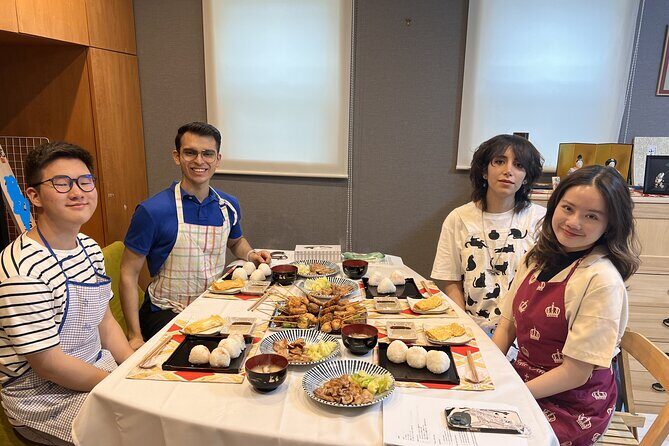
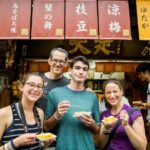
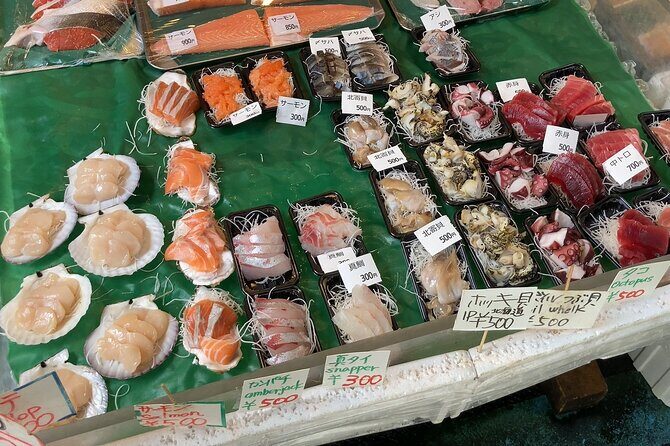
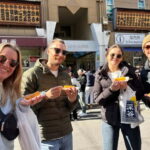
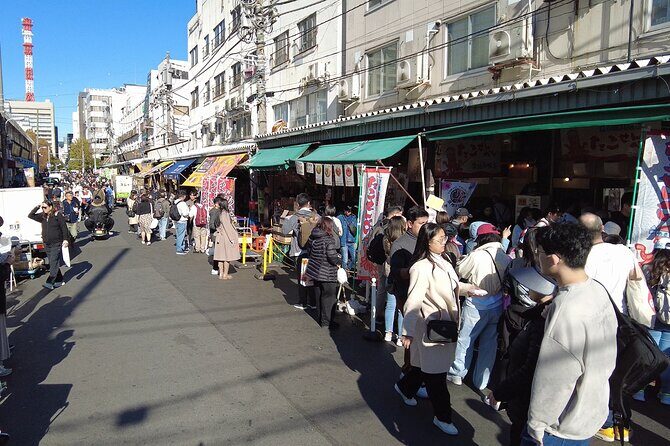
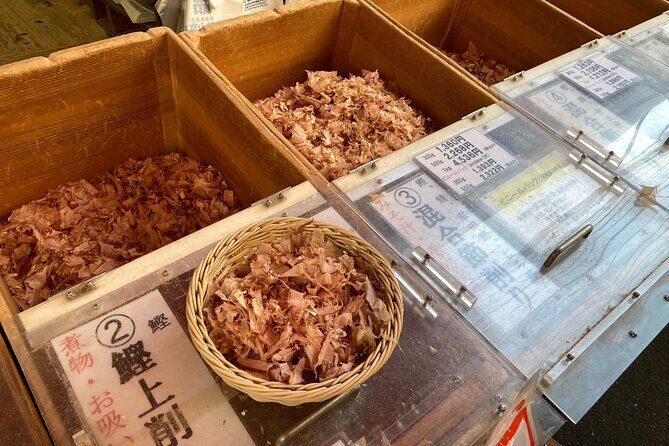
Next you move into the Tsukiji fish-market zone for about an hour. This part is about walking, reading the area with a local guide, and eating while you go. The tour explicitly includes snacks: 2 or 3 food samples from the market, which is the heart of why the tour price can work for many budgets.
What you’ll do in this stretch is both simple and smart:
- Eat street food as you walk
- Get guided to a local lunch spot inside the market area
- Keep your language stress low, because the guide helps you navigate questions and ordering
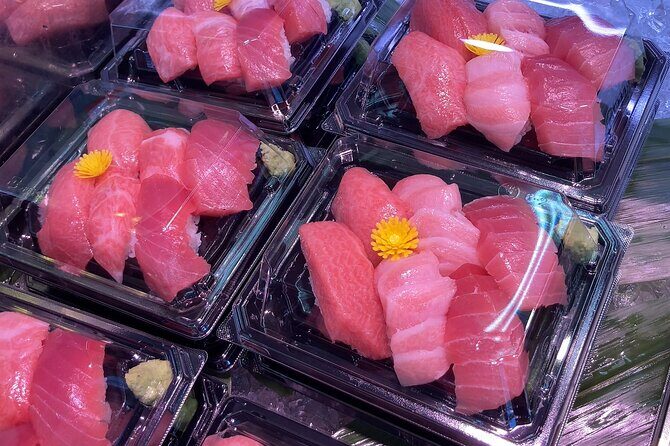
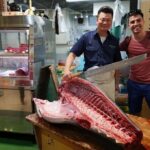
And here’s a detail worth paying attention to. One guest highlighted that guide Inok knows the best stops for things like tuna, wagyu, and even an ice cream break. That’s exactly what you want on a market walk: not just eating, but eating in the places where the guide has already done the homework and knows how to time the bites.
The realistic catch: lunch is not included
Even though the tour takes you to lunch together, lunch is at your own expense. That’s not a deal-breaker, but you should plan for it so you don’t get hit with surprise spending right when you’re hungry. Also, soda/pop isn’t included, so bring cash or a card plan if you like a drink with your meal.
Pro tip: treat the included samples as your momentum. Use them to decide what you want more of at lunch—fish? richer cuts? something sweet afterward?
Namiyoke Inari Shrine: The Fish-Market Story in 20 Minutes
After the market grazing, you’ll step into Namiyoke Inari Shrine for about 20 minutes. This is the shrine connected to the local Tsukiji area, and it adds context that you don’t get from just watching vendors.
This stop is designed to connect place to practice. You’ll learn about the history of the Tsukiji fish market area and what Shito is. You’ll also follow routes that show you more of the real neighborhood layout—paths that locals know—so you can see sales shops along the way, not just the main viewpoints.
Admission is free here too, so you get cultural payoff without extra gate fees. The best part is that the shrine visit doesn’t feel like a random detour. It’s more like a chapter break: you shift from eating to understanding what shaped this area and why it still matters.
What to bring mentally: a little patience for street-level cultural storytelling. This is short, but it’s meant to clarify the neighborhood’s rhythm.
You can also read our reviews of more shopping tours in Tokyo

Caretta Shiodome Sky Deck: Seeing the Market Area From Above
The tour wraps at Caretta Shiodome, with about 20 minutes focused on the sky deck. Ending up high is a classic travel trick, and it works especially well in Tokyo where streets fold into each other.
From the view, you get a wider sense of where Tsukiji sits and how the area connects. The tour is also aimed at showing remnants of the Tsukiji fish-market footprint, so you can look at the landscape and think, now I understand why the market routes feel the way they do.
This finish is also useful for practical reasons. After a couple of hours of walking and eating, you’re not powering through one more long stop. You get a breather, you get photos, and you leave with the mental map that helps the rest of your day make sense.
Price and Value: What $26.16 Buys You in the Real World
At $26.16 per person for about 2 hours, this tour is priced in a way that feels friendly for a market experience—especially because it includes more than just a guide.
Here’s what’s included that actually affects your day:
- A local guide for the full walk
- Tour photos
- Snacks: 2 or 3 food samples in the Tsukiji Fish Market area
If you’ve ever tried to do Tsukiji on your own, you know how easy it is to burn time figuring out where to eat. The guide reduces that friction. You’re also sampling instead of guessing. Even if you end up buying additional food at lunch, the included snacks help cover the first wave of cravings.
The main value trade-off is that lunch is not included and drinks like soda/pop are not included. So the tour works best if you’re comfortable treating lunch as part of your travel spend rather than something you’re trying to pack into the ticket price.
Group Size and Pace: Why Small Feels Better Here
The tour caps at 10 travelers. That matters more than it sounds.
In a place like Tsukiji, crowds and narrow pathways can make a long, fast-moving group feel stressful. A smaller group gives the guide room to slow down, explain, and help you adjust if you’re unsure about what you’re looking at—or what to order. It also makes the included snack stops more enjoyable because you’re not just standing in line for a photo.
The other pacing win is the timing: starting at 10:00 am means you’re catching the market area in the morning window while there’s still a sense of early-day momentum. You’re also done in about 2 hours, which is good if you plan to keep exploring Tokyo later the same day.
What It Feels Like to Eat With Inok-Style Guidance
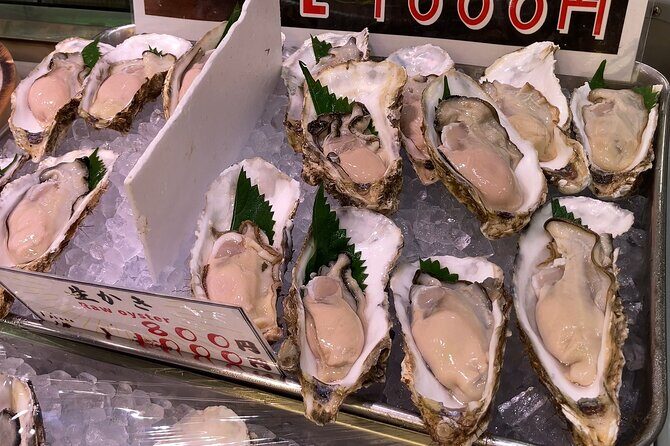
One of the best signals from the available feedback is that the guide’s strength isn’t generic recommendations. It’s knowing which spots to hit for specific tastes—things like tuna and wagyu—plus a sweet stop like ice cream.
That kind of guidance helps in two ways:
- You spend less time second-guessing
- You end up trying a more balanced set of bites, not just whatever is easiest to grab
Even if you’re not a serious foodie, this is the difference between random snacking and a coherent food route.
If you’re picky: tell the guide what you do and don’t eat when you start. The whole point of this format is flexibility, and the guide is there to help.
Who This Tour Is For (and Who Should Skip It)
This tour is a great fit if you want:
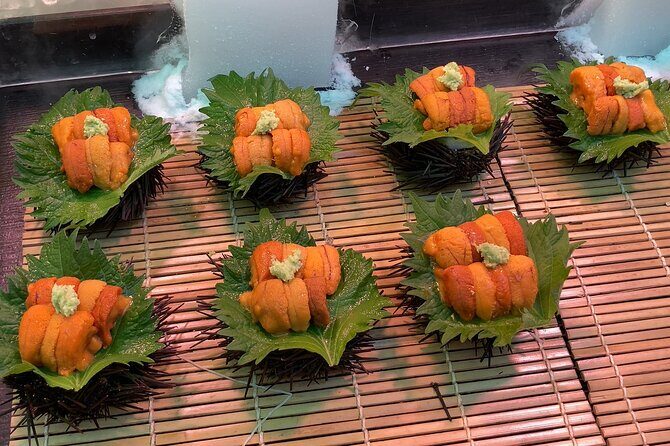
- A guided market experience with clear food stops
- A manageable time commitment (about 2 hours)
- Culture context at the start and finish zones, not just eating
You might skip it if you:
- Want a fully “all-included” meal plan (lunch and drinks are on your own)
- Prefer to roam totally independently without scheduled stops
Also note the practical rule: children must be accompanied by an adult. If you’re traveling with kids, this small-group walking format can work well, but you’ll want to keep expectations realistic for food-focused street stops.
Should You Book This Tsukiji Tour?
Book this tour if you want a low-stress way to experience Tsukiji with included snacks, a small group, and a guide who can point you toward top choices like tuna, wagyu, and even a dessert stop. It’s also a smart pick if you care about etiquette and local understanding, because the temple and shrine pieces turn a food outing into something more meaningful.
Don’t book it if you’re only interested in a quick self-guided browse and you hate the idea of paying separately for lunch. In that case, you might enjoy Tsukiji more on your own.
FAQ
FAQ
How long is the Tsukiji Fish Market walking tour?
It runs for about 2 hours.
What’s included in the tour price?
The tour includes a local guide, tour photos, and snacks consisting of 2 or 3 food samples in the Tsukiji Fish Market area.
Is lunch included?
No. You’ll be taken to a local restaurant for lunch together, but lunch is at your own expense.
Where does the tour start and end?
It starts at Tsukiji Hongan-ji Temple (Tsukiji, Chuo City) and ends at Caretta Shiodome (Higashishinbashi, Minato City) at the sky deck.
What time does the tour begin?
The start time is 10:00 am.
How large is the group?
The tour has a maximum of 10 travelers.
Can I cancel for a full refund?
Yes. You can cancel up to 24 hours in advance for a full refund.