REVIEW · KYOTO
Geisha culture & Kiyomizu area Guided Walking Tour in Kyoto
Book on GetYourGuide →Operated by Mashberry Tourism · Bookable on GetYourGuide
Kyoto can feel busy fast, but this walk slows the whole city down. It’s a guided trek through the Kiyomizu area with a strong focus on geiko and maiko culture, plus temple-and-shrine stops where stories make the sights click. I like that the tour is designed around time for photos and questions, not just marching from one landmark to the next.
Two things I especially like: the guide’s English storytelling (people ask questions and get real answers), and the way the route connects architecture and customs to what you’re actually seeing. One heads-up: it’s about 2 hours of walking with some stairs, so comfortable shoes are not optional.
In This Review
- Key Highlights You’ll Actually Feel On This Walk
- Meeting at the Yajikita Statue: Where to Start in Kyoto Without Guessing
- Geisha Culture in Kyoto: What You Learn About Geiko and Maiko While Walking
- The 2-Hour Route: Temples, Shrines, Stories, and Photo Stops That Don’t Feel Rushed
- A likely flow you can plan around
- Chion-in Optional Extension: The 1,000 Yen Add-On That Makes the Day Longer
- Stairs, Weather, and Etiquette: Small Details That Make or Break the Experience
- Wear comfortable shoes
- Plan for all weather
- Photo rules matter
- Video recording is not allowed
- Pricing: Why $39 Feels Fair for What You Get
- Who This Tour Fits Best (and Who Might Be Frustrated)
- Quick Tips to Get the Most From Your 2 Hours
- Should You Book It?
- FAQ
- How long is the main tour?
- Is there an optional extension to Chion-in?
- What is included in the $39 price?
- Are meals provided?
- Where is the meeting point?
- Can I record video during the tour?
Key Highlights You’ll Actually Feel On This Walk
- Geiko and maiko culture explained on the street, not in a lecture hall
- Temple-and-shrine photo stops with time to pause and take pictures
- A guide who encourages questions, so you can zoom in on what you care about
- 2 hours of walking, plus an optional Chion-in extension if you want more
- Real-world details for etiquette, including how to photograph respectfully
Meeting at the Yajikita Statue: Where to Start in Kyoto Without Guessing
You start at a very specific place: in front of the Yajikita statue, at the intersection of Sanjyo street and the Kamogawa path. The good news is you’ve got landmarks to help you match what you see—there’s a Lawson nearby and a Starbucks right in front.
This matters more than it sounds. Kyoto has lots of side streets, and meeting points that are vague turn a fun first 10 minutes into stress. Here, you can orient yourself quickly, show up, and start walking while your energy is still high.
The tour also ends back at the meeting point, so you’re not thrown into “now what?” at the end. That keeps the experience simple, especially if you’re planning dinner afterward.
You can also read our reviews of more walking tours in Kyoto



Geisha Culture in Kyoto: What You Learn About Geiko and Maiko While Walking
This is not a generic “Kyoto highlights” stroll. The point is to understand how geiko and maiko culture fits into Kyoto life, and why certain customs and spaces matter.
As you walk, your guide ties things together—stories about how Kyoto traditions formed, and practical context about the people who shaped the city’s arts scene. One of the strongest moments on this kind of tour is when you realize you’re not just looking at old buildings. You’re learning the logic behind them: the way art, etiquette, and neighborhood routines connect.
The tone tends to be personal and enthusiastic. I like that you’re not just told facts—you’re encouraged to ask questions. That’s a big deal when you’re curious about terms, customs, and what you should (and shouldn’t) assume.
A quick expectation check: even with the geisha focus, you can’t count on seeing geiko or maiko in person. One person on this tour noted they didn’t spot any during their walk, but they still came away with clear context about the culture. So if your main goal is to watch geisha on the street, you might feel slightly let down. If your goal is to understand geisha culture, this is exactly the right type of tour.
The 2-Hour Route: Temples, Shrines, Stories, and Photo Stops That Don’t Feel Rushed
The core tour is designed around a shorter, 2-hour walking experience. That’s a smart fit for many first-timers because Kyoto can chew up time fast—lines, stairs, and sudden detours included. Here, you get a focused route with enough stops to feel meaningful without exhausting you.
What you’ll feel most during the walk is the pacing. It’s not a nonstop sprint. There are photo-friendly stops at visually strong locations, and your guide provides time for pictures instead of treating photos as a side quest you’re supposed to squeeze in. That’s where the tour becomes more than information—it becomes memory-making.
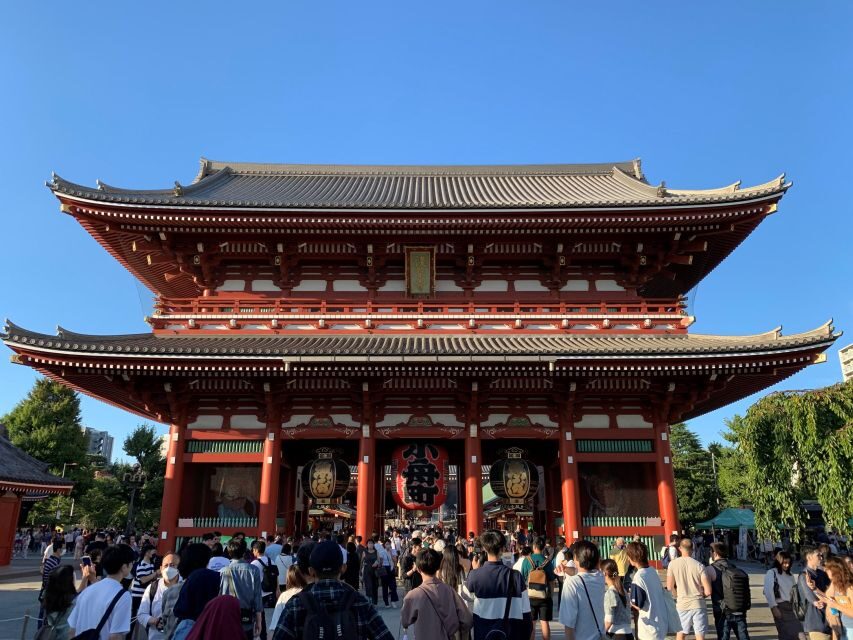
You’ll also visit historic shrines and temples in the city center area. The value isn’t just in seeing the buildings—it’s in learning what to notice:
- how the architecture connects to ceremony and daily life
- why certain details matter
- what traditions shaped Kyoto’s look and feel over time
And yes, there are some stairs, so wear shoes with traction and support. Kyoto streets can be slippery after rain, and temple steps don’t care about your schedule.
A likely flow you can plan around
Because the route is concentrated and photo stops are built in, expect a rhythm like this:
- Start at the statue meeting point and begin with orientation.
- Walk to the first shrine/temple-focused area, where your guide explains what you’re looking at.
- Continue between stops with cultural context tied to what’s around you.
- Hit multiple photogenic points, with time to photograph.
- Take the tour break and then wrap back toward the meeting point.
Also: the tour strongly recommends you use the restroom before it starts, because you won’t have an early break on schedule.
Chion-in Optional Extension: The 1,000 Yen Add-On That Makes the Day Longer
If you want more Kyoto temple time, there’s an optional extension offered on the day: an extended Chion-in temple visit. It adds 40–50 minutes and costs 1,000 yen per person.
Should you add it? I’d consider it if:
- you’re enjoying the temple-and-shrine context and want more of it
- you’re okay with extra walking and time
- you want a bigger finish rather than stopping at the standard 2-hour point
If you’re unsure, do the math on your day. The standard tour already gives you the geisha-culture story framework plus multiple stops and photos. Adding Chion-in is more about depth and extra temple atmosphere.
One practical thing: because it’s “off the main tour” as an extension, don’t plan tight connections right after the tour ends. Leave breathing room so the day stays pleasant.
You can also read our reviews of more guided tours in Kyoto



Stairs, Weather, and Etiquette: Small Details That Make or Break the Experience
This is a walking tour, so logistics are part of the experience.
Wear comfortable shoes
Some stairs are included. That’s not a dramatic warning—it’s a simple one. Wear shoes you trust on uneven pavement and temple steps.
Plan for all weather
Kyoto weather changes quickly, and this tour doesn’t stop for everything. Bring an umbrella or raincoat if you might need it.
Photo rules matter
Photography is allowed, but you need to be respectful and ask permission before taking photos of people. This is the kind of etiquette detail that actually improves the experience—because it signals you’re treating the place like a real community, not just a backdrop.
Video recording is not allowed
The tour rules specify no video recording. Still photos are fine, but keep your settings in mind so you don’t accidentally break the rule.
Pricing: Why $39 Feels Fair for What You Get
At $39 per person, this isn’t an expensive “private guide in a car” style tour. It’s built around a guided walking format, which keeps the price reasonable while still giving you the real value item: a guide who can connect culture to what you’re seeing.
Here’s what’s included:
- a professional, friendly guide
- a guided walk through historic Kyoto streets
- time for photo stops
- cultural insights from a Kyoto-context perspective
- reassurance that there will be a break
And what’s not included:
- hotel pickup or drop-off
- meals
- personal expenses
In other words, you’re paying primarily for interpretation and guidance. If you like learning from a human guide, this price makes sense. If you prefer to wander on your own and only need a route map, you may not get enough out of it to justify the cost.
Also note the optional Chion-in add-on: budget an extra 1,000 yen if you go for it.
Who This Tour Fits Best (and Who Might Be Frustrated)
This walking tour is a strong match for:
- first-time visitors who want context beyond guidebook basics
- anyone curious about geiko and maiko culture
- people who like asking questions and getting answers
- visitors who want a structured walk with photo time, not a long endurance trek
It’s not suitable for:
- people with mobility impairments
- wheelchair users
That’s because the tour includes stairs and a lot of walking, so it wouldn’t be comfortable or safe.
Quick Tips to Get the Most From Your 2 Hours
- Arrive a few minutes early so you can find the Yajikita statue without stress.
- Use the restroom before the start; you’ll be waiting for the first break.
- Bring an umbrella/raincoat if the forecast looks iffy.
- Keep your phone camera ready for photos, but remember: ask permission before photographing people.
- If you care about geisha culture, come with questions. The guide’s Q&A style seems to be a big part of the value.
Should You Book It?
If you want a Kyoto experience that explains what you’re looking at—and you’re happy to walk for about 2 hours with some stairs—this is an easy yes. The price is fair for a guide-led, culture-focused route, and the pacing with photo stops makes it feel like an actual outing, not a rushed checklist.
Book it especially if you’re interested in geisha culture as a window into Kyoto customs and art life. Just don’t build your day around the guarantee of seeing geiko or maiko in person; the main payoff is understanding the culture.
If you want, tell me your travel dates and your walking comfort level, and I’ll suggest whether the Chion-in extension is a good match for your schedule.
FAQ
How long is the main tour?
The core walking tour is about 2 hours of walking.
Is there an optional extension to Chion-in?
Yes. An extended Chion-in temple visit is offered on the day. It adds about 40–50 minutes and costs 1,000 yen per person.
What is included in the $39 price?
You get a friendly, energetic, professional guide and a guided walking tour through Kyoto’s historic streets, including photo time and a break. Meals are not included.
Are meals provided?
No, meals are not included.
Where is the meeting point?
You meet in front of the Yajikita statue at the intersection of Sanjyo street and the Kamogawa path. There’s a Lawson nearby and a Starbucks in front.
Can I record video during the tour?
No. Video recording is not allowed, but photography is allowed with respectful permission when people are involved.