REVIEW · TOKYO
Ramen Making from Scratch +Akihabara Tour –Cooking Class
Book on GetYourGuide →Operated by Patia's Japanese Cooking Class · Bookable on GetYourGuide
A day of ramen starts in Akihabara. This 3-hour class mixes street-level Tokyo fun with serious hands-on cooking, so you’re not just watching—you’re making ramen noodles from scratch and finishing with a Jiro-style bowl. The small-group setup (up to 6 people) keeps the class practical and easy to follow.
I especially like the ingredient-first approach, starting with a supermarket walk where you learn what you’ll actually use. You’ll also get an English-speaking instructor, plus a guide for the Akihabara side of the experience.
The biggest thing to consider is that the class is not flexible for everyone: no vegan/vegetarian options and it’s not suitable for wheelchair users or people with back problems. Also, you’ll need to get to the kitchen studio on your own from the nearest station. If that sounds like a mismatch, plan a different food experience.
In This Review
- Key highlights you should care about
- Akihabara First: Japan’s Pop-Culture Energy Sets the Mood
- The Supermarket Stop: Where You Learn What the Ramen Is Really Made Of
- Patia Kitchen Studios: A Modern Classroom That Feels Like a Working Kitchen
- The 90 Minutes of Hands-On Cooking: Noodles, Broth, and the Jiro-Style Finish
- 1) Fresh noodles from flour
- 2) Broth prep
- 3) Toppings and bringing it together
- Why Jiro-Style Ramen in English Is a Big Deal
- Price and What You’re Actually Paying For (Is It Worth $120?)
- Practical Timing: The 11AM Akihabara Start and the Studio Finish
- Who This Class Fits Best (And Who Should Skip It)
- What You Take Home: Skills, Not Just a Bowl
- Should You Book This Ramen Class?
- FAQ
- Where do I meet the guide?
- How long is the experience?
- Is the class taught in English?
- Do I need an IC card for the train?
- Can the chashu be changed from pork to chicken?
- Are vegan or vegetarian options available?
Key highlights you should care about
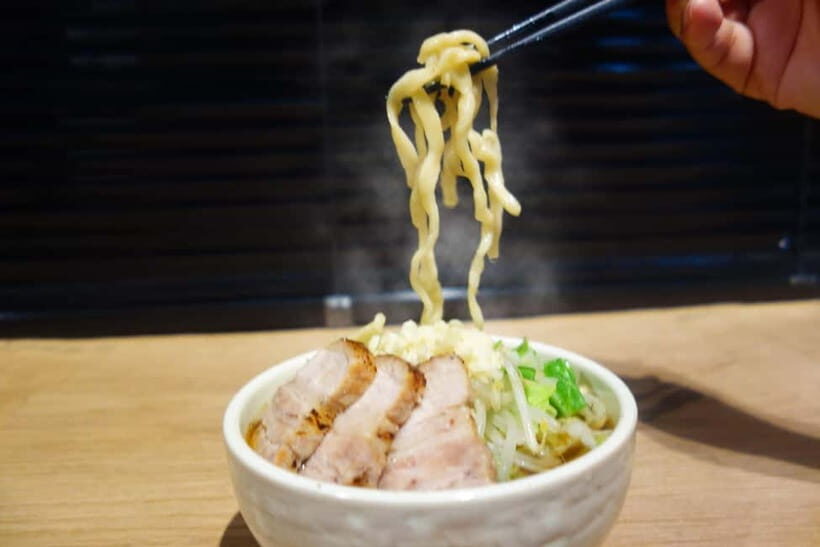
- Jiro-style ramen in English: the one class that teaches it in English
- Fresh noodles from flour: you’ll make noodles yourself, not just assemble toppings
- Akihabara + supermarket walk: you see ingredients before you cook
- Small group size (up to 6): more hands-on time, less waiting around
- Patia Kitchen Studios location: central-feeling, easy to reach by train
- Later-downloadable photos: you don’t have to fumble with your phone while cooking
Akihabara First: Japan’s Pop-Culture Energy Sets the Mood
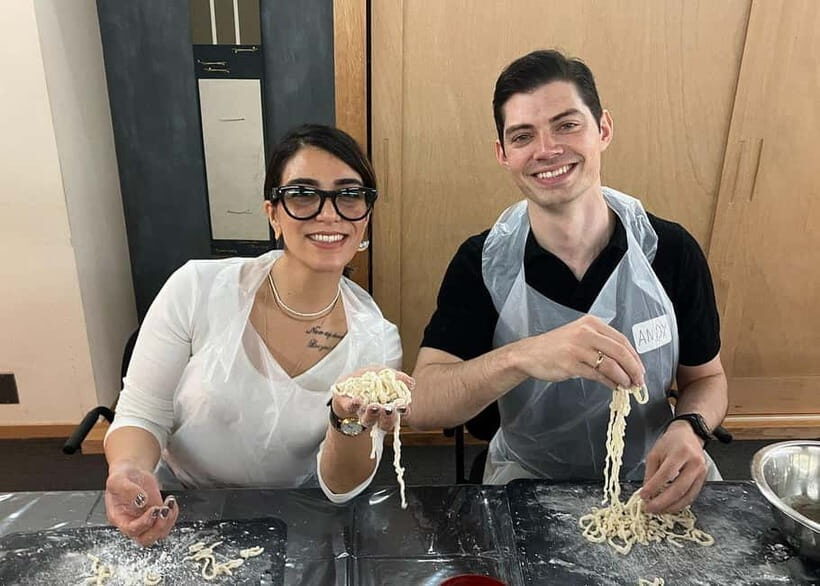
I like when a food class starts with a neighborhood walk that gives you context. Here, you begin in Akihabara, Tokyo’s famous electronics and anime district, meeting at JR Akihabara Station (outside the central ticket gate). Even if you only want the cooking part, this early stretch is worth it because it shows you modern Japan as it is today—not the postcard version.
Your guide keeps things moving at a comfortable pace while you pass recognizable spots on the way to the supermarket stop. You’ll get that quick sense of how Akihabara feels: loud signage, dense streets, and a constant stream of people doing their normal day things. It’s also a practical win. If you’re new to Tokyo transit, you’ll be reminded how close everything is and how often you’ll be using trains today anyway.
One nice touch is that this is not a long sightseeing detour. The walk is brief, then you get straight to ingredients, which keeps the whole experience focused.
You can also read our reviews of more cooking classes in Tokyo


The Supermarket Stop: Where You Learn What the Ramen Is Really Made Of
The supermarket segment is where a cooking class stops being entertainment and becomes useful. You’ll walk in and see the ingredients for the ramen you’ll cook that day, and your guide explains what you’re using and why it matters.
This is the part I think most people underestimate. In ramen, small ingredient choices can change the whole bowl—your broth flavor, noodle feel, and the way toppings sit in the soup. By seeing the items in the store first, you’re building mental labels you can use later when you’re shopping on your own back in your home city.
You also get a clearer sense of Japanese cooking culture around packaged and fresh items. Even if you don’t memorize every label (and you won’t), you’ll learn the logic: what’s central to the dish, what’s support, and what you can swap if you’re cooking at home.
If you’re the type who likes to shop like a local, this stop pays off. If you’re not, it still helps because it connects the final bowl to real ingredients you can picture.
Patia Kitchen Studios: A Modern Classroom That Feels Like a Working Kitchen
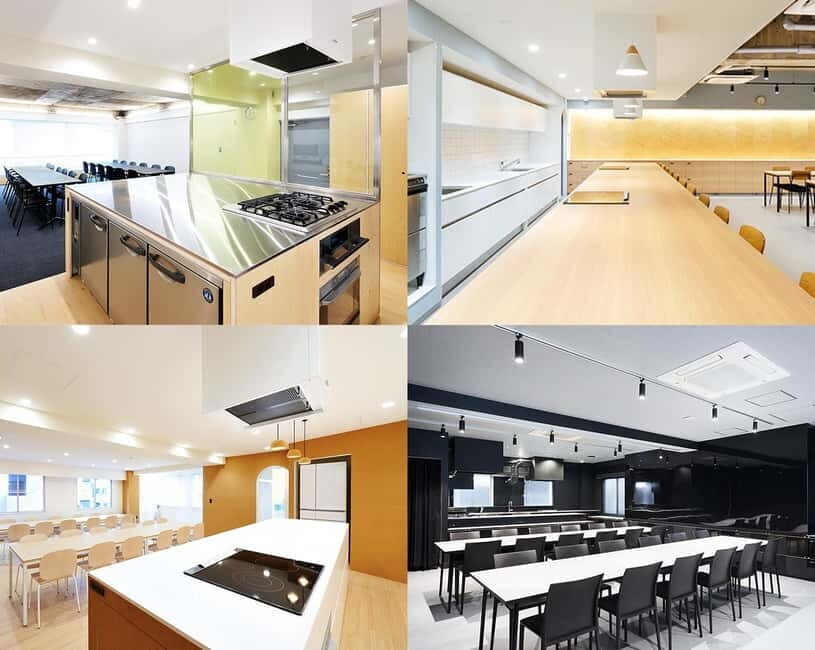
Next, you take a train to the kitchen studio. The venue is Patia Kitchen Studios, described as central and stylish, with spacious, relaxing studios. It’s also near a train station, which matters in Tokyo where getting across town can eat your schedule.
Plan for this: transportation from Suehirocho Station to the studio is not included. You’ll need your own Suica or another IC card to ride the train, and if you don’t have one, the guide will help you buy a ticket. That’s a small admin detail, but it can make or break a smooth start—so bring an IC card or be ready to ask for help.
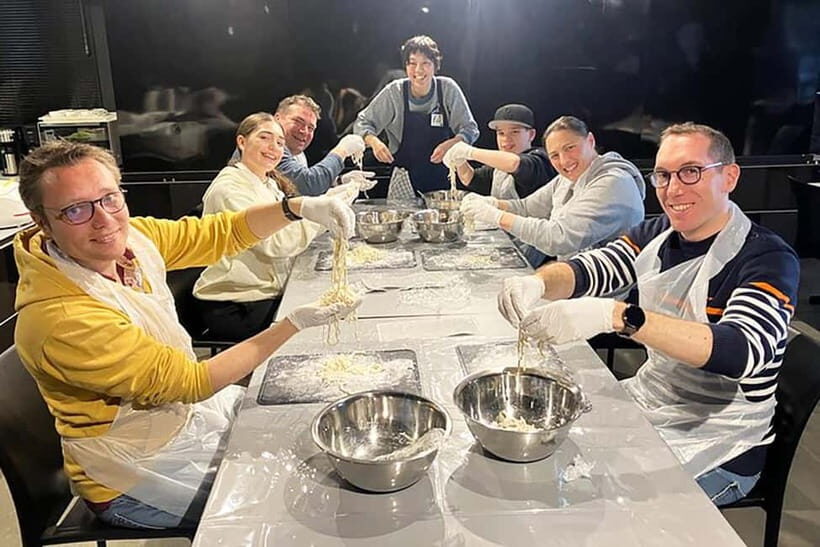
The studio layout is designed for cooking instruction. That’s important because ramen-making isn’t like chopping vegetables once and leaving. You’ll be working with dough, broth components, and timing. A studio that feels functional and roomy helps you stay relaxed and actually learn instead of rushing.
Also, your class ends at the studio, not back at the original Akihabara meeting point. So mentally plan your post-class transit from the studio area, not from Akihabara station.
The 90 Minutes of Hands-On Cooking: Noodles, Broth, and the Jiro-Style Finish
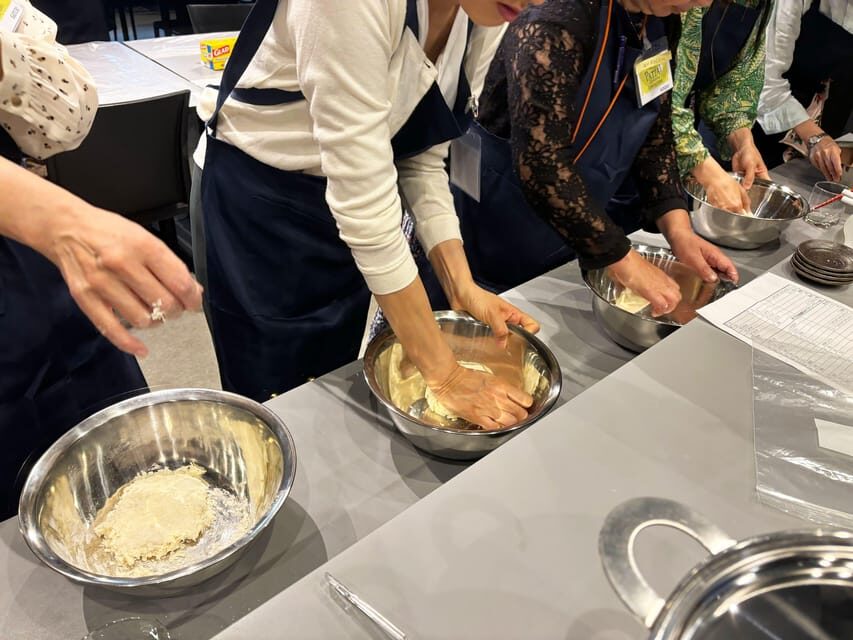
This is the core of the experience: about 90 minutes of ramen making. The session is built around three big skills.
1) Fresh noodles from flour
You’ll make the noodles yourself, starting from flour. That alone is a lot more active than most cooking classes. Instead of only tasting and assembling, you’ll understand how noodle texture comes from dough handling and technique.
If you’ve ever wondered why some ramen noodles feel springy and others feel heavy, this is your answer. Even with no culinary background, you’ll learn the practical steps—what you do, what you watch for, and what adjustments help.
A few more Tokyo tours and experiences worth a look




2) Broth prep
You’ll prepare the broth under an English-speaking instructor’s guidance. Broth is where ramen can go from good to memorable, and this class treats it as more than background work. By having you actively involved, you get a sense of how flavor is built and balanced for a specific style.
3) Toppings and bringing it together
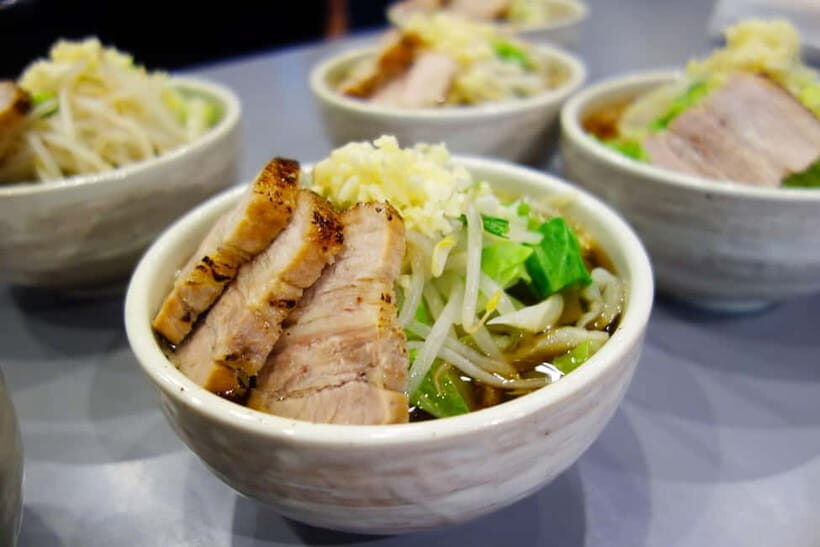
Jiro-style ramen typically centers on a hearty bowl experience, and you’ll learn how to put everything together so it works as one system. The class also covers the toppings part, not just the noodles and broth, and you’ll finish with the bowl you made.
By the time you sit down to eat, it’s not just dinner—it’s proof of concept. You can trace each bite back to something you did with your hands.
And yes, the class includes food and beverage, so you’re not paying just for instruction and walking away hungry.
Why Jiro-Style Ramen in English Is a Big Deal
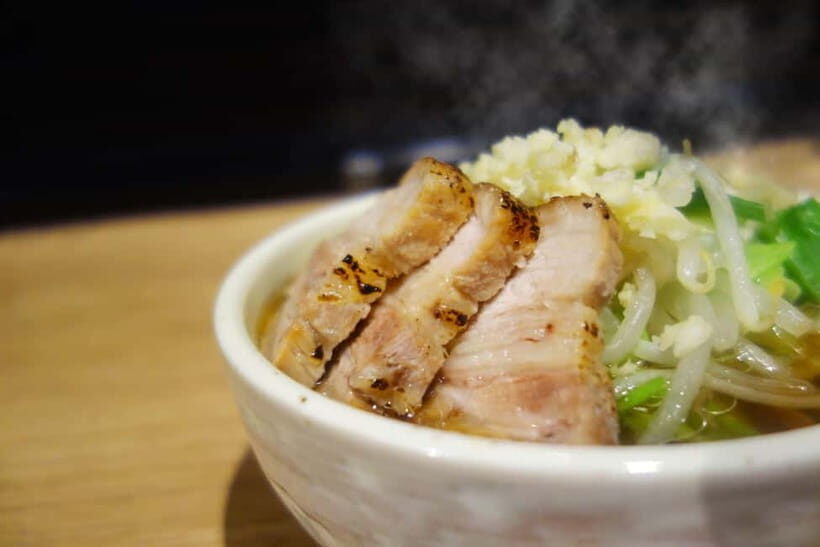
Here’s the real value: you can learn Jiro-style ramen in English. That matters more than it sounds. Ramen technique is full of small, practical cues—how something should look, how texture should feel, and what to do if it’s not right. When you get those cues in a language you fully understand, you avoid the most common problem: doing the steps without really understanding what the steps are supposed to achieve.
This is also why the classroom setup matters. With a small group (up to 6), you’re more likely to get help quickly if something goes sideways. Instead of standing back and hoping someone notices, you get more direct guidance.
One more detail that shows the class is paying attention to real needs: if you let them know more than 48 hours in advance, they can change the chashu from pork to chicken. That won’t help everyone, but it does add flexibility for people who prefer not to eat pork.
Price and What You’re Actually Paying For (Is It Worth $120?)
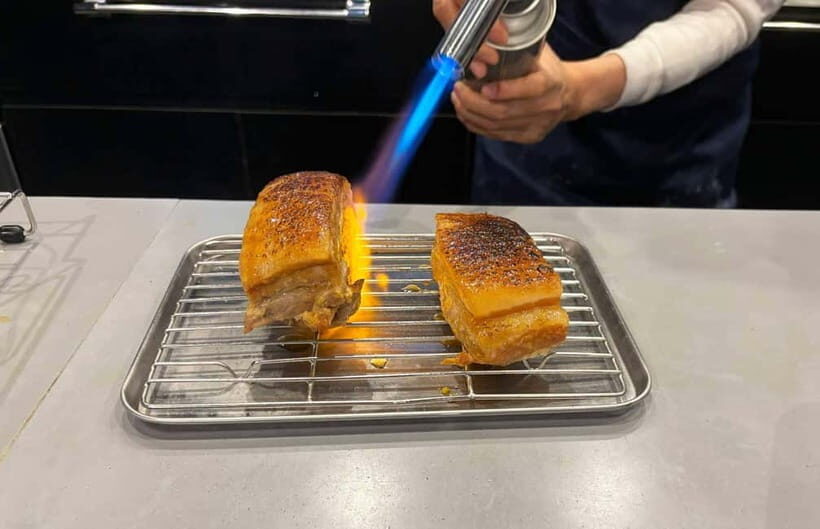
At $120 per person for a 3-hour experience, you’re not paying for a generic meal. You’re paying for:
- Instruction in both language and technique (English-speaking)
- Hands-on noodle making from flour, not just tasting
- Time with a kitchen studio plus the tools and space to work safely
- A supermarket walk that teaches ingredients before you cook
- Food and beverage during the session
- Later-downloadable photographs, which lets you remember the day without stealing attention from cooking
When you compare that to the cost of eating ramen repeatedly while also paying for entry fees and “pay attention” classes, this format is usually where the value lands. You leave with a skill you can use later and with the confidence that you’re not just collecting Instagram photos—you’re learning what makes the bowl work.
Still, it’s not the cheapest option. If you want only a casual snack and zero instruction, this may feel pricey. If you want to go home with real technique and ingredient knowledge, it starts to look fair.
Practical Timing: The 11AM Akihabara Start and the Studio Finish
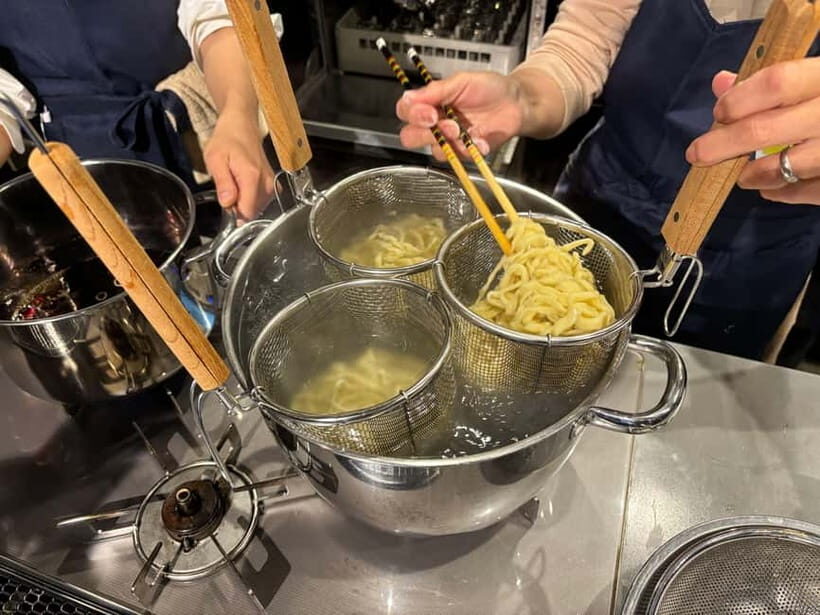
You meet at 11AM at JR Akihabara Station, outside the central ticket gate. Be there early, because if you’re more than 10 minutes late, they depart ahead of you. In that case, you’re expected to go directly to the kitchen studio, and no refunds are made for delays.
Also, the class ends at the studio (a different place from the meeting point). So set your expectations: you’ll need to handle your way out afterward. This is totally normal in Tokyo, but it’s worth taking seriously so you don’t rush your plan.
You also need to move between stops: Akihabara to the supermarket area and then on to the studio by train. The trip from Suehirocho Station to the studio is not included, so again—have an IC card (Suica or equivalent) ready.
Who This Class Fits Best (And Who Should Skip It)
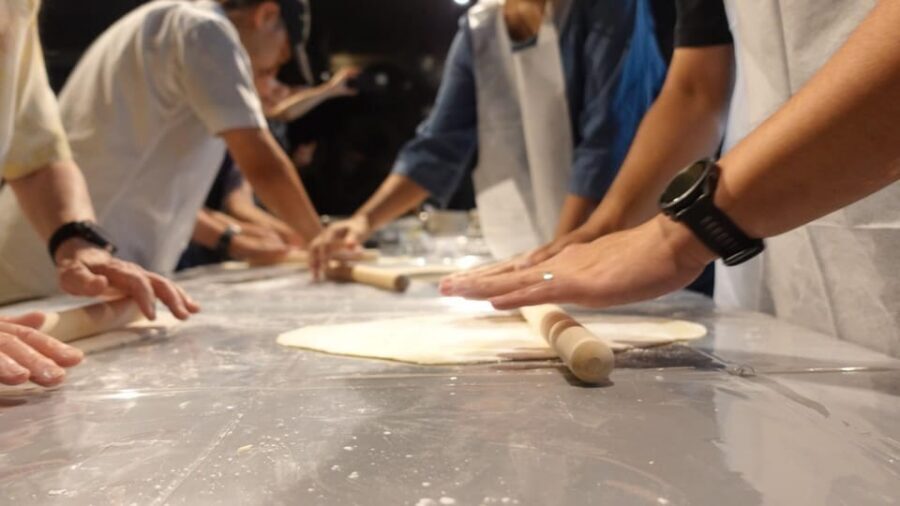
This experience is best for you if:
- you like cooking classes that are hands-on, not demo-only
- you want ramen technique tied to real ingredients you saw in a supermarket
- you specifically want Jiro-style ramen and want to learn it in English
- you enjoy Tokyo neighborhoods beyond one photo stop
You should probably skip it if:
- you need vegan or vegetarian options (not available)
- you use a wheelchair (not suitable)
- you have back problems and need low physical strain
- you’re traveling with baby strollers (not allowed)
- you’re under 5 years old (not suitable)
One more thing: this is a small-group format. If you hate being in a group of strangers for a few hours, it might still feel manageable since it’s capped at 6, but it’s not a private chef setup.
What You Take Home: Skills, Not Just a Bowl
Here’s what I think people remember after a class like this. It’s not only the ramen. It’s the mental map you build:
- You know what ingredients you used and what they contribute.
- You understand that noodles are a process, not a mystery.
- You learn how to assemble a bowl so the parts cooperate.
That’s why the ingredient walk helps. It’s not just a tour moment—it’s future usefulness.
And the photos later downloadable are a nice bonus. Cooking can be messy, and phone handling is distracting. Having images you didn’t need to fight for is genuinely helpful.
Should You Book This Ramen Class?
Book it if you want a real ramen-making experience with fresh noodle work, an ingredient-focused supermarket stop, and the chance to learn Jiro-style ramen in English. The small group size and studio-based instruction make it feel structured and teachable, not random.
Skip it if you need vegan/vegetarian meals, wheelchair accessibility, or you don’t want to handle transit to/from the studio area. Also, take the 11AM meeting point and the late-departure rule seriously. This isn’t the kind of thing you can roll in late and still get the full experience.
If you’re on a Tokyo food mission and ramen is a top priority, this is the kind of class that turns dinner into a skill you can reuse.
FAQ
Where do I meet the guide?
You meet at 11AM at JR Akihabara Station, Outside Central Ticket Gate.
How long is the experience?
The total duration is about 3 hours.
Is the class taught in English?
Yes, the instructor and class are offered in English.
Do I need an IC card for the train?
You should use your own Suica or other IC card. If you don’t have one, the guide can help you buy a ticket. Also, transport from Suehirocho Station to the studio is not included.
Can the chashu be changed from pork to chicken?
Yes. If you let them know more than 48 hours in advance, they can switch chashu from pork to chicken.
Are vegan or vegetarian options available?
No. Vegan and vegetarian options are not available.