REVIEW · TOKYO
Tokyo: Visit Sumo Morning Practice with English Guide
Book on Viator →Operated by エアーチョイス · Bookable on Viator
Sumo practice feels like a secret. This Tokyo experience gives you special access to watch wrestlers train at Takasagobeya, a stable known for producing champions, with an English-speaking guide to translate the traditions and what you’re seeing.
I like the up-close training access you usually don’t get as a spectator. And I really value the guide support—when the guide is strong (like Naomi, who was praised for handling lots of questions), you walk away understanding the drills, not just watching bodies collide.
The main thing to consider is comfort. The stable is traditional, and you may be sitting on the floor or on small seats for the full session, so it can get tight or tiring.
In This Review
- Key highlights worth your morning
- Inside Takasagobeya: why this morning session is special
- Ryogoku meeting point timing: don’t underestimate finding A3
- Walking to the stable: expect a short shift from city to tradition
- The practice session itself: what you’ll likely see (and why it’s cool)
- Questions, traditions, and your chance to talk sumo
- The commemorative photo: your real souvenir
- Asakusa afterward: stitching the morning into a Tokyo plan
- Price and value: $98.53 for access, context, and a photo
- Comfort and practical tips: plan for traditional seating
- Is this tour for you?
- Should you book this sumo morning practice?
- FAQ
- What is the duration of the sumo morning practice?
- What time does the tour start?
- Where is the meeting point?
- Where does the tour end?
- Is the guide available in English?
- How many people are in the group?
- What happens at the stable?
- Is admission included?
- Do you get a souvenir?
- Can I cancel for a full refund?
Key highlights worth your morning
- Takasagobeya training access you typically can’t get as a normal spectator
- English guidance to help you understand sumo rituals and drills
- Commemorative photo with the wrestlers at the end
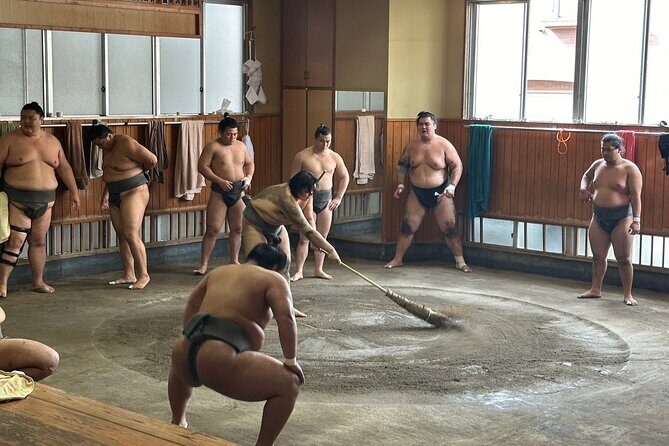
- Serious practice close-up where you can hear and feel the intensity
- Small group size (up to 20 people) for a more manageable experience
- Asakusa add-on if you want to turn this into a longer morning
Inside Takasagobeya: why this morning session is special
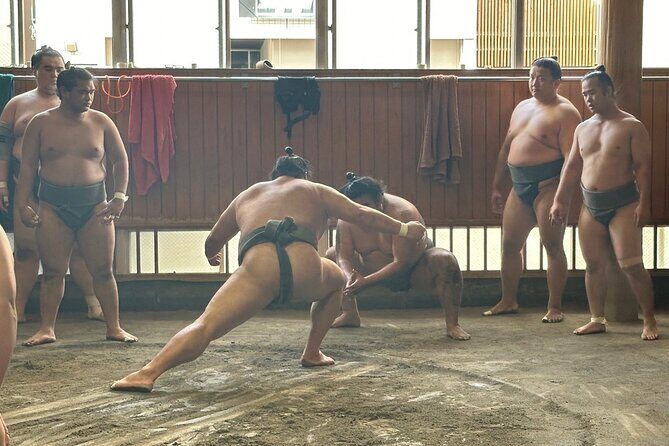
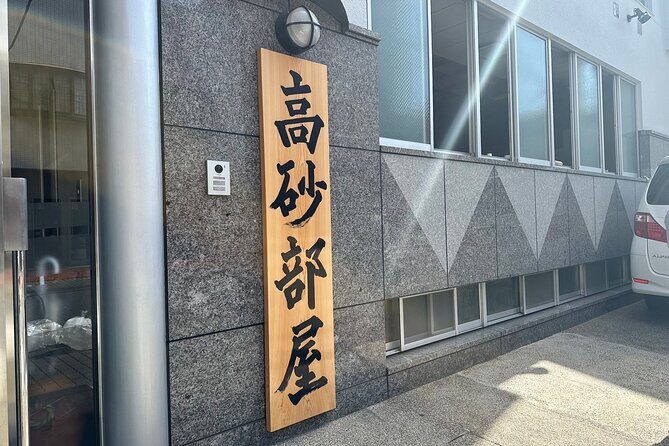
Sumo is famous on big match days, but the training is where you see the real work. This tour focuses on a morning practice session at a Tokyo stable (Takasagobeya / Takasago Stable area), and the big win is that you’re not just standing at a distance. You get viewing access that’s specifically arranged for visitors, even though stables are generally closed off from spectators.
It also helps that the stable has a reputation for producing champions in Tokyo. That matters because a stable culture shapes everything—how wrestlers warm up, how younger wrestlers are trained, and how the practice rhythm builds toward more intense bouts. You’ll notice there’s structure, and your guide can connect the movements to the sport’s traditions and history.
One useful mental shift: this isn’t a performance. It’s training. That means the session can feel gritty and real—sounds, sweat, and the physical effort are part of what you’re there to experience. If you like sports, martial arts, or Japanese culture that isn’t polished for tourists, this is the right style of “see it” moment.
You can also read our reviews of more guided tours in Tokyo

Ryogoku meeting point timing: don’t underestimate finding A3
Logistics are half the success of a morning tour in Tokyo, and this one has a very specific start. The listed start time is 8:00am, and the meeting point is at Ryogoku Sta. 1-chōme-4-29 Yokoami, Sumida City. The station area can be confusing, especially when you’re juggling signage, exits, and your route from your hotel.
Here’s the practical tip that matters: plan to arrive early and use the A3 exit area—one guide departure timing note said the tour leaves the A3 exit promptly at 7:45. So even if your watch says 7:55 is fine, give yourself slack. If you’re late, you’ll be stressed before you even reach the stable.
Good news: the tour uses a guide and staff system designed for this exact issue. Your confirmation comes in advance, and you can contact the team if there’s an accident on the day (a WhatsApp number is provided). Also, there may be staff waiting at the station area—so being early still helps, but you’re not totally on your own.
Walking to the stable: expect a short shift from city to tradition
After meeting at Ryogoku, you’ll walk with your guide to the stable. Expect a short transfer—just enough time to go from “Tokyo station energy” to “quiet stable world.”
Your guide handles the language barrier, which is the real reason this tour works well for non-Japanese speakers. In many stables, you can look around, but you can’t easily connect what you’re seeing to the meaning behind it. The guide can explain traditions and provide context while you’re en route, so you don’t arrive wondering what the warm-up drills are actually preparing for.
Also, the group size (maximum 20) helps here. It’s not a huge herd, so the pace stays sane and you can hear instructions when you need to move as a group.
The practice session itself: what you’ll likely see (and why it’s cool)
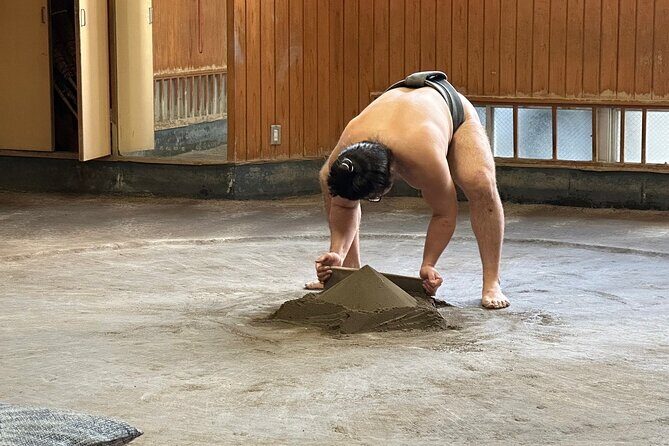
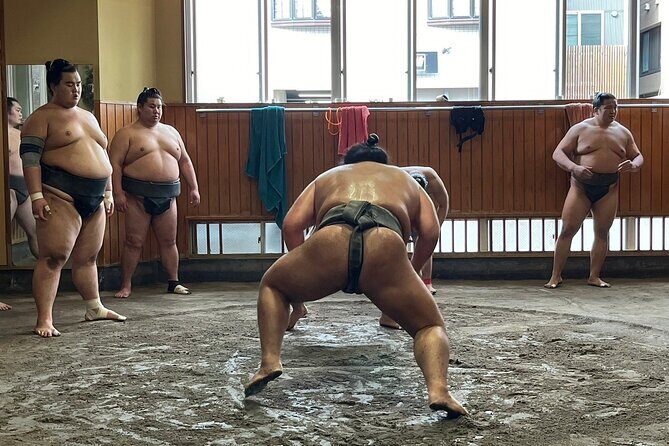
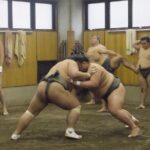
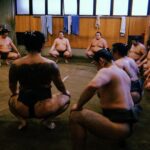
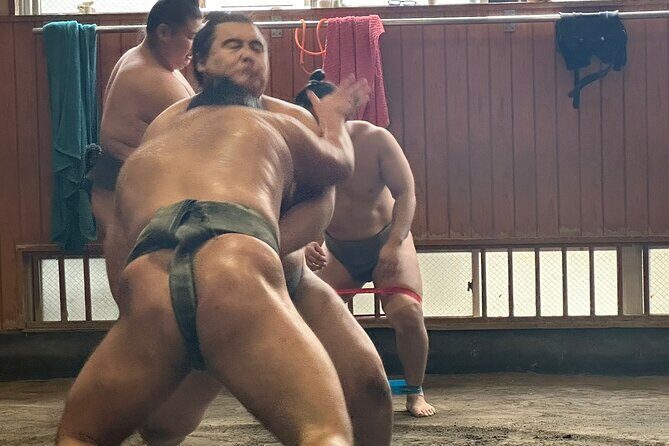
The session is about 1.5 to 2 hours, and the stable setting is small—so you’re close enough to notice details that you’d miss in a bigger venue.
A typical training flow (as it’s described from the experience) includes:
- warm-up and stretching to prepare bodies for wrestling
- younger wrestlers challenging each other
- more intense bouts as the session builds
Even if you don’t know sumo terms, you can follow the “story” because it becomes more physical as the practice goes on. And the sound is part of the experience—one description emphasized hearing the contact and feeling the intensity, because the stable is not some cavernous stadium.
The guide’s fact sheet and explanations make the drills make sense. In the best cases, you’ll get strong English support, plus the chance to ask questions before and after the practice. If your guide is like Naomi (praised for answering 20+ questions), you’ll end up with a mini course in what you’re watching and why it matters.
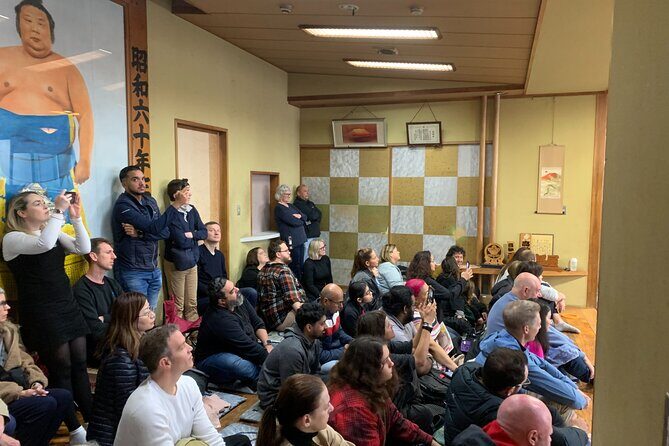
One more practical point: seating can be tight. Since the room is small, crowds from other groups can build, especially if more people join while practice is underway. Your guide will do what they can to make sure everyone is seated, but this is still a traditional room. Think “structured viewing space,” not “modern theater comfort.”
Questions, traditions, and your chance to talk sumo
The tour is built around your ability to ask questions, not just observe. That matters because sumo can look like simple push-and-grab at first glance. Once you understand the routines—how wrestlers prepare, what training pieces mean, and why certain traditions are kept—the whole sport becomes more legible.
This is where the English guide really earns their fee. You can ask about:
- what specific drills are for
- what makes practice different from match day
- basics of terminology (often supported by a fact sheet)
- general rules and how wrestlers think during training
When guides are confident and friendly, the Q&A turns from “tour checkbox” into genuine understanding. Several comments highlighted guides who spoke excellent English and answered a lot of questions, including before/after the session.
And yes, if you’re taking teenagers or sports-minded kids, this question-driven approach helps. It’s not only spectacle; it’s explanation.
A few more Tokyo tours and experiences worth a look

The commemorative photo: your real souvenir
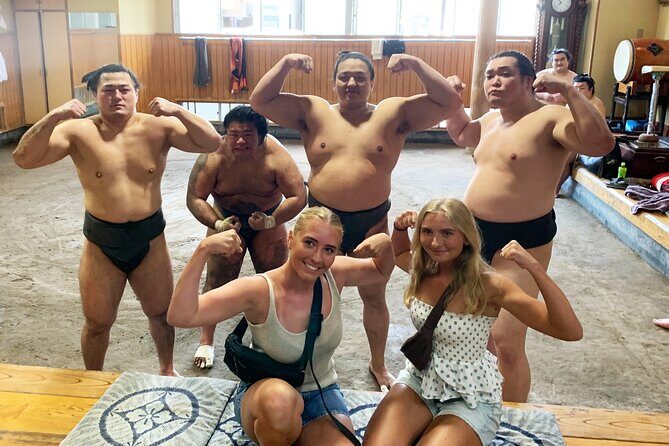
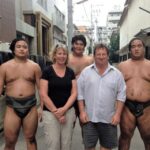
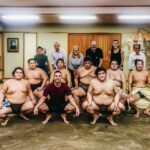
The “take-home” part isn’t a generic postcard. You get a commemorative photo with the wrestlers at the end of the practice session.
That’s a meaningful souvenir for two reasons:
- It’s tied directly to the training access you’re getting in the first place.
- It’s a memory you can place next to the morning you watched the wrestlers at work—not just on competition day.
Practically, plan to stay alert at the end. The photo moment is one of the few times you’ll get direct interaction, so don’t wander off or assume it will be long after the last bout.
Asakusa afterward: stitching the morning into a Tokyo plan
The tour doesn’t try to trap you. After the viewing, you can go sightseeing in nearby Asakusa if you want. That’s a smart pairing because sumo gives you a cultural anchor for the morning, and Asakusa gives you the “street level” version—temples, old Tokyo vibe, and easy walking.
Your guide dismisses you at the end and shows you how to get to your next destination. The end point is around 2-chōme-30-1 Ishiwara, Sumida City, Tokyo 130-0011 (Takasago Stable area), so you’ll be able to continue your day with a clear handoff.
If you like to travel with momentum—morning culture, then neighborhood strolling—this schedule supports that.
Price and value: $98.53 for access, context, and a photo
At $98.53 per person, the price isn’t “cheap,” but it’s also not wild for what you’re getting: special viewing access at a stable, a guided translation layer, and a commemorative photo.
Here’s the value equation I’d use if you’re deciding between options:
- If you value understanding (not just looking), the guide is a real cost-saver. Without translation, sumo training can be harder to interpret.
- If you value proximity and authenticity, training access beats “watch from far away” options.
- If you value a tangible souvenir, the wrestlers photo adds weight.
Also, group size stays reasonable (max 20). That reduces the “chaos tax” you sometimes pay on cultural tours.
The main value mismatch happens if you were expecting a polished show. This is training—serious, intense, and in a traditional setting.
Comfort and practical tips: plan for traditional seating
The biggest day-of consideration is sitting. One clear note was that the venue is traditional, and seating may mean floor sitting or using small tools/seats. For many people it’s fine, but for anyone with back issues—or anyone who needs comfy seating—plan ahead.
A second consideration is crowd density. The room can get crowded if other tours are present or if people arrive during the session. Even though the guide tries to get everyone comfortable, you should expect “cozy” more than “spacious.”
What I’d do if you’re preparing:
- dress for sitting and movement, not just for photos
- bring patience for tight quarters
- show up early to avoid stress before the session
You’ll probably forget most of the discomfort once training starts. The intensity is part of why people call it a highlight.
Is this tour for you?
This works best if:
- you like sports with culture and rules, not just spectacle
- you enjoy learning how rituals connect to training
- you want an early morning cultural hit that isn’t touristy-contrived
- you’re traveling with teens or anyone who loves action and wants context
It may be less ideal if:
- you need cushy seating for 1.5 to 2 hours
- you’re only interested in big match-day drama (this is training, not a formal tournament)
- you’re extremely sensitive to tight group conditions
Should you book this sumo morning practice?
Yes—if you want the real sumo feeling. The combination of special stable access, a strong English-speaking guide (Naomi is a name that comes up with lots of praise), and the chance to ask questions makes this more than a “look and leave” photo stop.
Book it especially if you like authentic mornings. You’re trading sleeping in for a close look at athletes doing serious work, with just enough structure to help you understand what you’re seeing.
If seating comfort is your top priority, plan accordingly. But if you can handle traditional floor-style viewing, this is the kind of Tokyo morning you’ll talk about long after the neighborhood sightseeing is over.
FAQ
What is the duration of the sumo morning practice?
The tour lasts about 1 hour 30 minutes to 2 hours.
What time does the tour start?
The start time is 8:00am.
Where is the meeting point?
The meeting point is at Ryogoku Sta. 1-chōme-4-29 Yokoami, Sumida City, Tokyo 130-0015, Japan.
Where does the tour end?
After the tour ends at Takasago Stable, you’re dismissed. The end location is listed as 2-chōme-30-1 Ishiwara, Sumida City, Tokyo 130-0011, Japan.
Is the guide available in English?
Yes, it’s described as a visit with an English guide, and guides are noted as speaking excellent English.
How many people are in the group?
The maximum group size is 20 travelers.
What happens at the stable?
You watch a sumo training session. It’s a rare opportunity to see wrestlers practicing seriously and you can ask questions.
Is admission included?
Yes, an admission ticket is included.
Do you get a souvenir?
Yes, you receive a commemorative photo with the sumo wrestlers.
Can I cancel for a full refund?
Free cancellation is available if you cancel at least 24 hours before the experience’s start time.